
Roofs rarely fail all at once. They wear out in small ways: a cracked pipe boot, a gutter full of leaves, a few granules washing into a downspout, a nail head working its way up through a shingle. Catch those small problems early and a roof can last its full rated life. Ignore them and one heavy storm can turn a simple fix into soaked insulation, stained ceilings, and a frantic call to a roofer after hours.
The National Roofing Contractors Association recommends inspecting a roof at least twice a year, preferably in spring and fall, plus an extra check after any severe storm. That rhythm is the backbone of this guide. Each season stresses a roof differently, so each season gets its own short list of jobs. Together they add up to 20 tasks, five per season, plus a year round checklist you can print and reuse.
This article is the Maintenance and inspection cluster pillar for tylersroofing.com. It covers every section the top ranking guides cover, adds the gaps they miss (costs with real 2026 figures, maintenance by roof material, a DIY or pro decision table, and a month by month calendar), and keeps every task practical enough to do in half a day.
Why Seasonal Roof Maintenance Pays for Itself
A roof is the most expensive single component on most houses, and also the easiest to neglect because it is out of sight. The math on maintenance is simple. A routine gutter cleaning runs $150 to $250. A professional inspection runs $125 to $571, with a reported average near $331. Compare that with the cost of the damage a clogged gutter or a missed leak can cause, and the case for a seasonal routine makes itself.
One Virginia roofing company frames it plainly: a $200 gutter cleaning against a $12,000 ceiling replacement. That is not a scare figure. Water that backs up under shingles soaks the deck, then the insulation, then the drywall. By the time a stain appears on a ceiling, the leak has usually been active for weeks or months, and the repair bill covers far more than the roof.
Maintenance also protects the roof itself. Architectural asphalt shingles last 25 to 30 years when they are looked after, and 3 tab shingles last 15 to 20 years. A standing seam metal roof can last 40 to 70 years. Those numbers assume the roof is inspected, cleaned, and repaired on schedule. A roof that never gets a look can lose years of service life to problems that cost little to fix when they are small.
There is a warranty angle too. Many manufacturer warranties require the roof to be maintained, and some require maintenance by a certified professional to stay valid. Keep dated photos and receipts from every inspection and repair. If you ever file a warranty or insurance claim, that record is the proof that the roof was cared for.
| What neglect costs | Typical range |
|---|---|
| Professional roof inspection | $125 to $571 |
| Gutter cleaning per visit | $100 to $450 |
| Roof cleaning, soft wash | $296 to $625 |
| Minor shingle repair | $300 to $650 |
| Moss or algae treatment | $150 to $500 |
| Annual maintenance plan | $200 to $500 |
| Ceiling repair after a long leak | Often $5,000 to $12,000 or more |
Figures are 2026 planning ranges from contractor reported pricing and Angi data, and they vary by region, roof size, and access. Treat them as a budget guide, not a quote.
What Each Season Does to Your Roof
Before the checklists, it helps to know why the work changes with the calendar. Each season applies a different kind of stress, and the maintenance routine follows that stress.
Spring brings thaw cycles, heavy rain, and debris left by winter. Ice dams, if you had them, leave scars at the eaves. Gutters clog with fine grit shed from shingles and late falling leaves. Flashing that flexed all winter opens small gaps. Spring is the inspection heavy season.
Summer is ultraviolet time. Heat speeds up aging, mainly on south and west slopes. Ventilation problems show themselves as overheated attics and wavy shingles. If algae or moss are going to bloom on a humid roof, you will see it now. Summer is for preventive cleaning and ventilation fixes.
Fall is the prep season. You are getting ready for wind, rain, and snow. Gutters need to run freely. Loose tabs, exposed nail heads, and minor flashing problems all need attention before storms arrive. Trim branches while the weather is kind.
Winter is the stress test. Snow load, freeze thaw cycles, ice dams, and wind driven rain under lifted edges. The work itself is lighter, mostly monitoring and safe snow management, but vigilance matters. If something looks wrong from the ground, it probably is.
Spring Roof Maintenance: The Reset
Spring is the most important maintenance visit of the year. Winter has just finished testing the roof, and spring rain will find every weakness winter left behind. Do this visit in late April or early May, once the last freeze has passed.
1. Walk the property and look the roof over from the ground
Start with a slow walk around the house. Use binoculars if you have them. Look for wavy lines in the shingle field, lifted tabs, missing ridge caps, and dark streaks along the eaves that point to past ice dams. On metal roofs, look for missing screws, separated seams, or a chalky surface where the finish is breaking down. Step back now and then to get the full picture and watch for sagging or uneven areas. Take photos so you can compare with the fall visit.
2. Check the attic in daylight
If you can get into the attic safely, go up at noon on a bright day with the lights off and let your eyes adjust. Pinpoints of light usually mark nail holes or failed flashing long before stains show up inside. Feel the insulation near the eaves for dampness. Check the underside of the deck for blackened nail tips, a sign of heavy condensation that points to ventilation or air sealing problems rather than a roof covering failure. Stains on insulation or framing, and musty odors, are the early warnings that a leaking roof has started somewhere above.
3. Clean the gutters and downspouts
The first cleaning of the year belongs to the gutters. Remove leaves, seed pods, and shingle granules. Those little granules are the roof's ultraviolet shield. You want them on the shingles, not sitting in a trough. If you notice heavy granule loss and bald shingle surfaces, plan for a partial replacement or a full reroof within a few years. Flush downspouts with a hose. If flow is weak, you are probably blocked at the elbows. Take them apart or snake them so water has a free path, and check that downspouts direct water 4 to 6 feet from the foundation.
4. Inspect flashing and penetrations
Pay attention to the places where the roof meets something else, because most leaks start there. Around chimneys, look for step flashing tucked under the shingles and counter flashing set into the mortar joints. Mortar that has cracked or pulled away needs tuckpointing and a reset of the counter flashing. With skylights, check the flashing kit and the weep holes on the frame, which can clog with pine needles and insect nests and channel water back into the house during downpours. Our guide to counter flashing explains how the two part flashing system at a chimney is supposed to work.
5. Replace cracked pipe boots and refresh sealant sparingly
Roof cement slapped over a problem is a short lived repair. For small gaps at pipe boots, a good quality polyurethane or silicone sealant works, but the better fix is often to replace a deteriorated boot. Rubber collars usually show cracking around the top after 8 to 12 years, mainly in high ultraviolet areas. If your collar has checked lines or a brittle feel, replace it. Leaks around vent stacks are among the most common and most avoidable leaks on a shingle roof, and a new boot costs little.
Summer Roof Maintenance: Heat, Sun, and Storms
Summer work is preventive. The roof is baking, storms are frequent, and the attic is the hottest room in the house. Do the summer visit in June or July, and always inspect again after any severe storm.
1. Check for sun and heat damage
On shingle roofs, the oils that keep asphalt flexible evaporate over time. Without granules protecting them, shingles curl and crack. Look for blistering, cracking, curling, or deterioration, mainly on south and west slopes. A professional inspection can tell whether visible wear is normal aging or a sign that repairs or replacement are needed. On metal roofs, watch for oil canning, that shallow waviness in flat panels, which is mostly cosmetic but can point to thermal movement or installation issues.
2. Test the attic ventilation
This is where attic ventilation earns its keep. A balanced system, intake at the eaves and exhaust at the ridge or top gables, lowers attic temperature, reduces moisture, and helps shingles last. You should feel a clear breeze at soffit vents on a hot day if the ridge vent is doing its job. If you do not, check for blocked soffit vents. Painters often load them with spray, and older houses often have insulation batts pushed into the vent channels. Clear them or add baffles. As a rough rule, you need 1 square foot of net free vent area for every 300 square feet of attic floor when intake and exhaust are balanced, but always check local code and manufacturer guidance. An infrared thermometer helps: if the attic measures 150 degrees F or more on a sunny mid afternoon, better airflow should bring that down by 20 to 30 degrees.
3. Clean algae and moss the gentle way
Black staining on shingles is usually a blue green algae called Gloeocapsa magma. It looks bad but is not structurally harmful. Moss is worse, because it lifts shingles and traps moisture. Clean with a light method. Mix a cleaner rated safe for asphalt shingles, or use a gentle solution of one part household bleach to three parts water with a small amount of non ammonia dish soap. Apply from the ridge downward to avoid driving water under the shingles, let it sit, then rinse lightly with a garden hose. Keep the solution off plants and siding. Never pressure wash shingles. It strips granules and shortens the life of the roof. Owens Corning's guide to cleaning asphalt shingles gives the same ground level inspection and gentle cleaning advice.
4. Add zinc or copper strips where staining returns
If you live under trees, consider zinc or copper strips near the ridge. When rain washes over them, ions slow algae growth. These strips are not a cure all, but they slow the return of staining. For moss, you may still need to lift and replace damaged shingle sections. Roofs on the north side of a two story house can lose five to seven years of service life to constant moss, so treat it as a real problem, not a cosmetic one.
5. Inspect after every severe storm
Summer storms bring strong wind, heavy rain, and hail, all of which can damage a roof in minutes. After any severe weather, inspect from the ground for missing, cracked, or lifted shingles, torn flashing, and branches or debris on the roof. Check the attic and ceilings for new stains. Photograph any damage with the date. If hail hit, document it with photos next to a coin for scale. Hail damage on asphalt shows as bruises where granules are knocked away and the mat is exposed. It may not leak right away, but it speeds up aging. Our hail damage roof inspection guide explains how inspectors use test squares and the 8 hit rule to judge whether a claim is warranted.
Fall Roof Maintenance: Prep Before Winter
If you only do one deep maintenance visit a year, do it in fall. The weather is pleasant, you are not rushing against summer thunderstorms, and every improvement pays dividends all winter. Do the fall visit in late October or early November, before the first frost.
1. Clean the gutters completely, again
Leaves will keep falling through the season, but a clean baseline lets you judge how often you need to revisit. If you are tired of routine cleaning, consider quality gutter guards. Fine mesh stainless steel micromesh guards keep out most debris and stand up to ultraviolet light better than plastic. Brush or foam inserts are faster to install but can catch seeds and create a growing medium. In areas with heavy pine needles, micromesh plus a steeper gutter pitch works best to keep flow.
2. Walk the roof if it is safe, and mark every defect
Bring a chalk stick and mark each lifted shingle tab, exposed nail head, and cracked flashing. Fixes here are straightforward. Set loose nails, then seal the head with a compatible sealant. Replace any tabs that have lost most of their granules or that crack when you bend them gently. Replace brittle pipe boots. Refresh sealant at penetrations sparingly, and never trap water by building a dam of sealant. If the slope is steep, the roof is wet, or you are simply not comfortable, step back and call a professional. The cost of a service visit is small next to a fall.
3. Inspect valleys, chimneys, and skylights
Valleys carry large volumes of water during fall storms. Open metal valleys should be free of debris and have intact sealant where valley edges meet the shingles. If you spot rust in a galvanized valley, plan to replace it. Closed cut valleys with shingles laced over them tend to collect debris, so clean them carefully. Shingles nailed too close to a valley cause many leaks. Good practice sets nails at least 6 inches from the valley centerline. On chimneys, install or inspect a cricket on the uphill side of wide chimneys. Without a cricket, snow and water pile up and leak into the area flashing. Tuckpoint compromised mortar, and consider a new stainless steel cap if yours is missing or corroded. The cap keeps animals and water out and protects the crown.
4. Trim branches back from the roof
Wind whips branches across shingles and scrubs granules away. Keep branches at least 6 to 10 feet off the roof, more if you can. While you are at it, check that antennas, satellite dishes, and solar mounts are sound. Every roof mounted accessory needs real flashing, not just a bead of caulk under a bracket. If you are adding solar, coordinate with a roofer to look at and fix any weak spots before panels go on. It is much easier to repair a roof without a solar array in the way.
5. Audit attic insulation and air sealing
Ice dams in winter are not a roofing defect so much as a building science problem. Warm air leaking into the attic melts snow on the roof, that meltwater refreezes on the cold eaves, and you get a dam. Seal penetrations from the living space, like around light fixtures, plumbing stacks, and chases. Add insulation if you are below recommended levels for your climate zone. In cold climates, attic insulation of R38 to R60 helps keep heat in the living space and the roof at a more even temperature from ridge to eave. The goal is a uniform roof temperature, not a warm attic.
Winter Roof Maintenance: Watch and Protect
Winter maintenance is more about what you do not do. Do not chip ice from shingles with a shovel or an axe. Do not walk an icy roof. Do not use rock salt, which can corrode metal and hurt landscaping. Focus on safe monitoring and timely intervention.
1. Clear snow from the eaves with a roof rake
If heavy snow is forecast and your roof pitch is low, or your house has a history of ice dams, get a good roof rake with a long telescoping handle. Use it from the ground to clear the lower 2 to 3 feet of roof, mainly above overhangs and over living areas. That strip is where ice dams build. Work gently, pulling snow down, not sideways. The goal is to ease the load on the eaves and stop meltwater refreezing.
2. Watch for ice dams and icicles
Ice dams form when attic heat melts snow, which then refreezes near the colder roof edge. The buildup blocks drainage and lets water work its way under the shingles. If you notice recurring ice dams, investigate the underlying cause rather than just removing the visible ice. Proper attic insulation, ventilation, and air sealing are the long term fix. Heat cables on the eaves can help in persistent problem spots, but they are a bandage. If you spot thick ice forming despite your efforts, place calcium chloride socks, fabric tubes filled with ice melt, not rock salt, perpendicular to the eave to cut channels. This is a stopgap, not a cure.
3. Keep flat roof drains clear
For flat roofs, winter stress is about drainage and punctures. Keep drains and scuppers clean. A single clogged scupper can hold hundreds of gallons of water on a large roof, and if a freeze hits, you have ice dams on a flat surface. Walk the roof after safe thaw days and check for damage from foot traffic. HVAC technicians sometimes drop screws or sharp offcuts. A pea sized puncture can leak like a tap given enough time. Mark it and patch it with the right material for your membrane, or schedule a roofer. On larger commercial flat roofs, commercial roofing services cover drain clearing, seam checks, and puncture repair as part of a maintenance visit. Our roof membrane pillar covers TPO, EPDM, and PVC care in detail.
4. Check inside for leaks after every storm
During winter, check ceilings, walls, and attic spaces for water stains, dampness, or other signs of moisture after each storm. Catching a leak early limits damage to insulation, drywall, framing, and other parts of the home. If you find an active leak in a storm, stabilize the inside first. Move belongings, lay down plastic, set a bucket, and poke a tiny hole in a bulging ceiling to relieve water pressure and prevent a sudden collapse. Once the weather lets up, check the likely culprits. On a freezing day after sun, water can drip behind gutters because ice lifted the first course of shingles. For repair help, see our roof leak repair services.
5. Monitor snow load and know when to call for help
Heavy snow can place extra weight on a roof, mainly when snow becomes wet and compacted. Monitor significant snow accumulation and consult a professional if you are concerned about excess weight or structural stress. If snow removal is needed, it should be done safely with the right equipment or by a qualified professional. Homeowners should avoid climbing onto a snow covered roof themselves. Sagging lines, cracking sounds, or doors that suddenly stick can all point to structural stress, and those are call a roofer now signs.
The Year Round Roof Maintenance Checklist
Use this table as your master list. The real work is the careful look, not just ticking a box.
| Season | Task | How often | Priority |
|---|---|---|---|
| Spring | Walk the property, inspect roof from ground with binoculars | Once | High |
| Spring | Check attic in daylight for light leaks and damp insulation | Once | High |
| Spring | Clean gutters and downspouts, flush with water | Once | High |
| Spring | Inspect flashing, chimneys, skylights, and penetrations | Once | High |
| Spring | Replace cracked pipe boots, refresh small sealant areas | As needed | Medium |
| Summer | Check for sun and heat damage, blistering, curling | Once | High |
| Summer | Test attic ventilation, clear blocked soffit vents | Once | High |
| Summer | Clean algae and moss gently, never pressure wash | Once | Medium |
| Summer | Add zinc or copper strips where staining returns | As needed | Low |
| Summer | Inspect from ground after every severe storm | After storms | High |
| Fall | Clean gutters completely, consider guards | Once | High |
| Fall | Walk roof if safe, mark and fix lifted tabs and nail heads | Once | High |
| Fall | Inspect valleys, chimneys, skylights, reset flashing | Once | High |
| Fall | Trim branches 6 to 10 feet back from roof | Once | Medium |
| Fall | Audit attic insulation and air sealing | Once | High |
| Winter | Clear lower 2 to 3 feet of roof with a roof rake | After heavy snow | High |
| Winter | Watch for ice dams and icicles | Monthly | High |
| Winter | Keep flat roof drains and scuppers clear | After storms | High |
| Winter | Check ceilings and attic for leaks after storms | After storms | High |
| Winter | Monitor snow load, call a pro for excess weight | As needed | High |
Roof Maintenance by Material
The checklist is the same on every roof, but each material fails in its own places. Adjust the seasonal tasks to match what is over your head.
| Material | Watch for | Seasonal focus |
|---|---|---|
| Asphalt shingles | Granule loss, curling, blistering, lifted tabs, algae streaks | Spring and fall inspections, gentle algae cleaning in summer, never pressure wash |
| Standing seam metal | Loose clips, oil canning, chalking paint, fastener back out | Summer fastener check, fall clip check, keep different metals apart to avoid galvanic corrosion |
| Exposed fastener metal | Screws backing out, cracked neoprene washers | Summer retighten gently and replace worn washers |
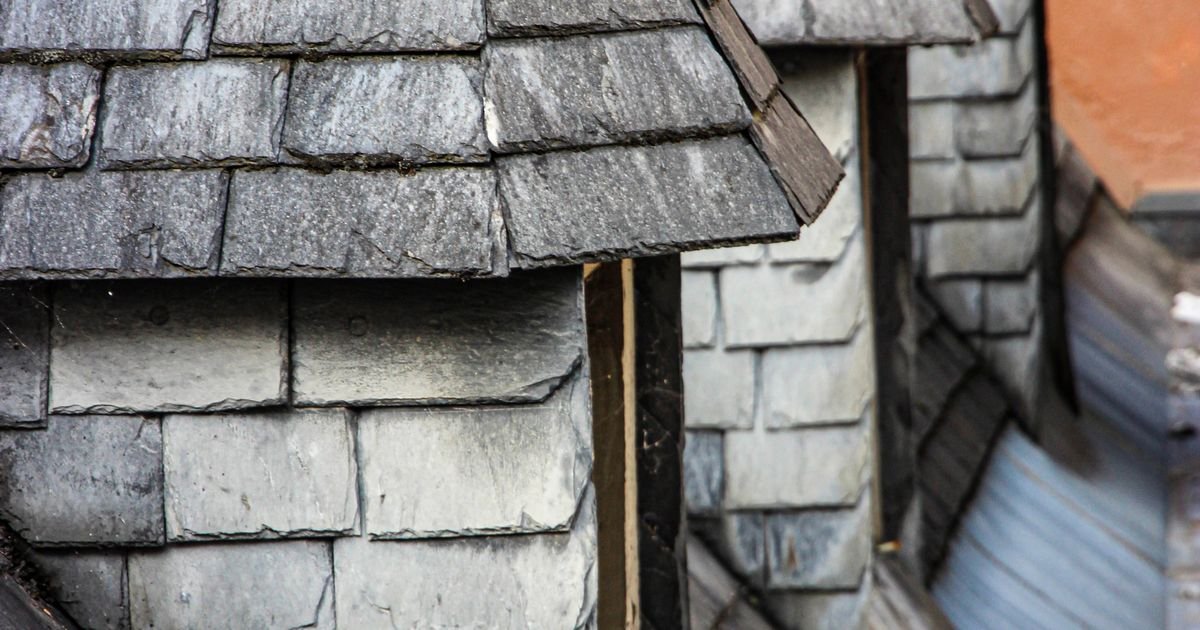
| Tile and slate | Cracked or slipped tiles, broken flashing, moss in joints | Fall tile check, moss control, never walk on slate or tile |
| Flat membrane, TPO and PVC | Open seams, ponding over 48 hours, punctures | Spring seam check, fall drain clearing, winter puncture watch |
| Flat membrane, EPDM | Lap sealant aging, fishmouths on seams, shrinkage | Spring lap sealant check, fall seam inspection |
| Cedar shake | Moss, rot, drying and splitting, clogged gaps | Gentle low pressure rinse only, keep airflow under shakes, moss control |
On metal roofs, keep different metals apart. Copper plus galvanized steel equals galvanic corrosion. Use compatible fasteners and separate metals with a barrier where they must meet. On tile and slate, never walk the roof. The tiles are brittle and crack underfoot even when they look solid. Professionals use ladders and scaffolding.
DIY or Call a Professional
Most seasonal tasks are homeowner friendly. A few are not. Use this table to decide before you climb a ladder.
| Task | DIY | Call a pro |
|---|---|---|
| Ground level visual inspection | Yes, with binoculars | If you see sagging, widespread cracking, or spongy decking |
| Gutter cleaning, single story | Yes, with ladder safety | Two story homes, heavy buildup, steep access |
| Debris and leaf removal | Yes | If the roof is steep or wet |
| Algae and moss cleaning | Yes, gentle wash only | Heavy moss, steep roof, large area |
| Pipe boot replacement | Yes, if comfortable on a ladder | If the roof is steep or the boot is under flashing |
| Shingle tab replacement | Sometimes, one or two tabs | Widespread lifting, matching color lots, warranty work |
| Flashing repair at chimneys | No | Step flashing and counter flashing are easy to make worse |
| Valley repair | No | Improper nailing near valleys causes many leaks |
| Flat roof seam welding | No | Heat welding TPO or PVC needs exact temperature and pressure |
| Ice dam removal | Roof rake from ground only | Steaming or cutting ice, persistent dams |
| Structural concerns | No | Sagging rafters, spongy deck, persistent leaks after repair |
The National Roofing Contractors Association does not recommend that homeowners or inexperienced property managers walk on roofs unless they have the experience and proper equipment to do so safely. If a maintenance inspection reveals repairs are needed, the association recommends an experienced roofing contractor be retained promptly to perform the repairs. GAF makes the same point in its scheduled maintenance guide: neglecting inspections and maintenance may be the biggest cause of premature roof failure.
How Much Does Roof Maintenance Cost in 2026
Budget half a day in spring and another in fall for a standard single story home, plus modest spending on consumables: sealant, new pipe boots, a few replacement shingles or screws, gutter hardware. If you hire the work out, ask for a written scope and photos in the report. Good contractors are proud to show their work and the before and after.
| Service | 2026 planning range | Notes |
|---|---|---|
| Professional roof inspection | $125 to $571 | Average near $331; free inspections are common from contractors bidding repair work |
| Gutter cleaning | $100 to $450 per visit | Typical $150 to $250 for a single family home |
| Roof cleaning, soft wash | $296 to $625 | Average near $461; priced near $0.24 to $0.45 per square foot |
| Minor shingle repair | $300 to $650 | A few tabs or a small flashing fix |
| Moss or algae treatment | $150 to $500 | More for heavy moss on large roofs |
| Annual maintenance plan | $200 to $500 | Usually includes inspections and minor repairs |
| Average annual maintenance total | $300 to $1,000 or more | Depends on roof size, age, and tree cover |
Figures come from 2026 contractor reported pricing and Angi data. They vary by region and contractor, so treat them as a budget guide and get local quotes before you commit.
When Maintenance Stops Making Sense
Maintenance is not a substitute for replacement. There is a point where the smart money moves from upkeep to a new roof. Use this framework to decide.
Maintain if your roof is in years 1 to 15 of its expected 20 to 25 year life, shows only early stage deterioration like minor curling, isolated leaks, or light algae growth, and maintenance costs less than 10 percent of replacement cost each year. At this stage, an annual maintenance investment can add years of service.
Replace if you see widespread curling, significant granule loss, multiple leaks, or a roof past its expected lifespan. A single cracked shingle is a repair. Dozens of slipped tiles, leaks that return after repair, a deck that feels spongy underfoot, or sagging rafters mean the roof is beyond upkeep. A residential roofing contractor can determine whether your roof has enough remaining service life to justify maintenance, or whether replacement is the smarter financial choice.
Secondary damage is the hidden cost of waiting too long. Water intrusion can cause decking rot, rafter damage, attic mold, and drywall damage, costs that can exceed the roof replacement itself. The true cost of roof maintenance is not the annual expense. It is the difference between a planned replacement at full cost and an emergency replacement at premium pricing plus secondary damage repair.
Keep a Maintenance Record for Warranty and Insurance
Documenting your roof each season creates a record that helps you or a contractor spot changes. It is also useful if you ever file a warranty or insurance claim. Keep it simple:
- Date every inspection, repair, and cleaning, with a short note on roof condition
- Photograph the roof from the same spots each season, before and after work
- Keep receipts for inspections, materials, and contractor visits
- Note the shingle brand, color, and lot if you know it, so patches match
- Record storm dates and any damage photos with the date visible
- Store the file with your home insurance documents
Some insurers set eligibility limits of 15 to 20 years for asphalt and other non permanent roofing materials, and a documented maintenance history supports your case when a claim is reviewed. Many homeowners insurance policies also require regular roof maintenance as part of coverage terms. Staying on top of seasonal maintenance keeps you compliant and gives you proof if a claim is ever questioned.
Roof Maintenance Safety Rules
Roof work injures people every year, and most of those injuries involve ladders, not roofs. Follow these rules before any seasonal task.
- Use a good ladder, tie it off, and keep three points of contact while climbing
- Wear soft soled shoes with good tread
- Work in cool, dry conditions when sealants can set
- Avoid stepping on brittle shingles in serious cold
- Never pressure wash shingles, it strips granules and shortens roof life
- Never walk an icy or wet roof, and never walk on slate or tile
- Respect power lines near service drops
- Photograph everything before and after, so you can track changes over time
- If the slope is steep, the roof is wet, or you are simply not comfortable, step back and call a professional
Keep a small tote of roofing supplies ready: gloves, a caulk gun, compatible sealant, spare screws, a handful of shingles left from your last reroof, a few pipe boots in the common sizes, a utility knife, a magnetic tool for lost screws, and an infrared thermometer. Add a good set of binoculars and a camera or your phone. Set calendar reminders for late April and late October, or tie the work to simple markers, after the last freeze and before the first frost.
Frequently Asked Questions
How often should I inspect my roof?
Inspect your roof at least twice a year, in spring and fall, plus after any severe storm. That is the schedule the National Roofing Contractors Association recommends. If your roof is 15 to 20 years old, or your area gets severe weather, inspect twice a year without fail and consider a professional inspection once a year as well.
Can roof maintenance really extend the life of my roof?
Yes. Regular maintenance extends roof life by addressing small problems before they become structural failures. Gutter cleaning, debris removal, prompt repair of small leaks, and professional inspections catch damage early and prevent water infiltration and ultraviolet degradation. Homeowners who maintain their roofs proactively can add years of service life compared with those who ignore maintenance until problems appear.
What should I include in my roof maintenance checklist?
A complete checklist includes twice yearly inspections, gutter cleaning, trimming overhanging branches, checking for curling shingles or missing granules, clearing moss and algae, inspecting flashing around chimneys and vents, keeping attic ventilation clear, and applying roof coatings or sealants as needed. The year round table in this guide covers all 20 tasks by season.
How much does roof maintenance cost per year?
Most homeowners spend $300 to $1,000 or more per year on roof maintenance, depending on roof size, age, and tree cover. A professional inspection runs $125 to $571, gutter cleaning $100 to $450 per visit, and a soft wash roof cleaning $296 to $625. Annual maintenance plans run $200 to $500 and usually include inspections and minor repairs.
When should I choose roof maintenance over replacement?
Maintain your roof if it has isolated damage, a few missing shingles, minor leaks, or localized wear, and it is still within its expected lifespan. If your roof shows widespread curling, significant granule loss, multiple leaks, or is past its expected lifespan, replacement becomes more cost effective than ongoing repairs. A professional inspection can make the call.
Does roof maintenance affect my warranty or insurance?
Yes, both. Many manufacturer warranties require the roof to be maintained, and some require maintenance by a certified professional to stay valid. Many homeowners insurance policies also require regular maintenance as part of coverage terms. Keep dated photos and receipts from every inspection and repair to support any future claim.
Can I clean my own roof?
Yes, with the gentle method only. Use a cleaner rated safe for asphalt shingles, or a solution of one part household bleach to three parts water with a small amount of non ammonia dish soap. Apply from the ridge downward, let it sit, then rinse lightly with a garden hose. Never pressure wash shingles. For heavy moss, steep roofs, or large areas, hire a professional.
What is the most important roof maintenance task?
Cleaning the gutters. Clogged gutters force water under shingles, cause rot and mold, and back water up against the roof edge and foundation. It is the cheapest task on the list and the one that prevents the most damage. If you do only one thing each season, keep the gutters and downspouts clear and flowing.