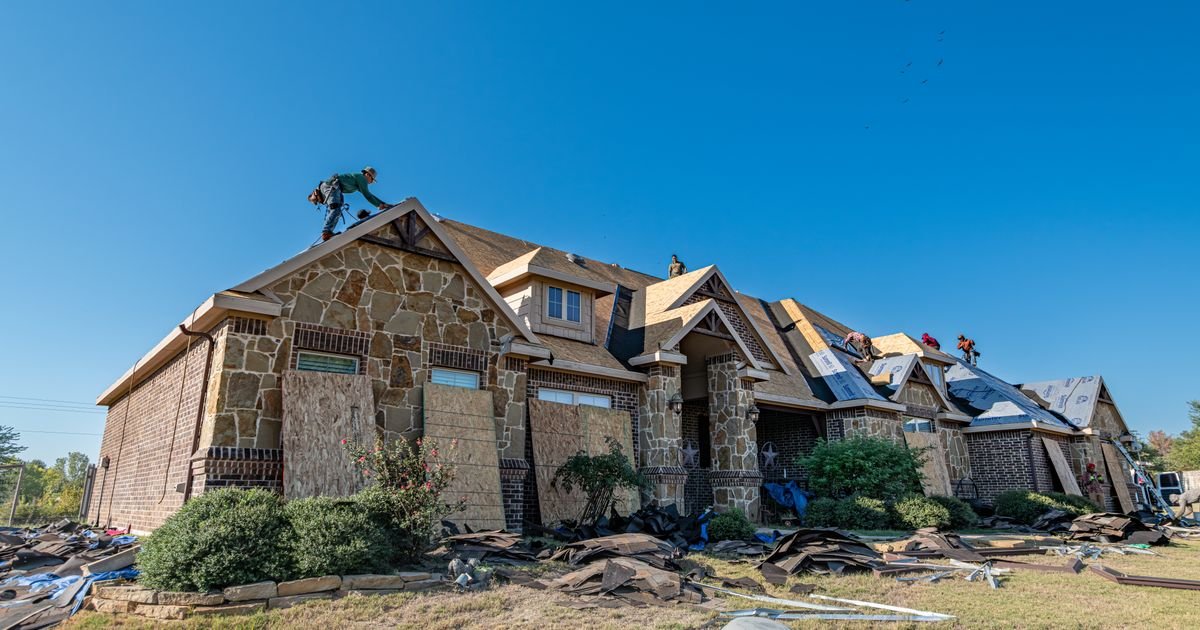

Yes, your homeowners insurance can be cancelled because of your roof. It happens more often than most homeowners expect, and it usually arrives as a letter, not a conversation. The letter says your insurer will not renew your policy, or in rarer cases that it is cancelling it outright, and the reason given is the condition or age of your roof.
The good news is that this is usually fixable. Most roof related cancellations are actually nonrenewals, which means your coverage stays in force until the end of your current term while you fix the roof or find a new carrier. The bad news is that doing nothing is expensive. If your coverage lapses, your mortgage lender can buy force placed insurance on your behalf, and the Consumer Financial Protection Bureau says that cover usually costs twice as much as a policy you buy yourself, while protecting only the lender.
This guide explains why insurers drop homes over roofs, what your notice really means, what to do step by step, whether to repair or replace, and how to get covered again. For the inspection process itself, including what a professional looks for after storm damage, see our guide to hail damage roof inspection.
Can Homeowners Insurance Be Cancelled Because of Your Roof
Yes. An insurer can cancel or refuse to renew your homeowners policy when it decides your roof presents too much risk. The roof is the first line of defense for the whole house, and insurers know from their own claims data that roofs account for a large share of homeowner claims. A roof that is old, damaged, or poorly maintained is a predictable source of future claims for leaks, water damage, mold, and structural trouble, so carriers act before the failure happens rather than after.
The important detail is that insurers judge future risk, not current performance. Your roof does not have to be leaking for an insurer to drop you. A roof with curling shingles, granule loss, and a few old patches may still keep water out today, yet an underwriter can look at the same roof and see a failure window opening in the next few years. That gap between how a homeowner sees a working roof and how an insurer sees a likely claim is where most of the confusion and surprise comes from.
Midterm cancellation is the rarer and sharper version. State laws generally restrict midterm cancellation to a short list of reasons such as nonpayment, fraud, or a material change in risk, so most roof problems are enforced at renewal instead, through a nonrenewal notice. That distinction matters, because it decides how much time you have to respond.
Cancellation vs Nonrenewal: What Your Notice Really Means
Cancellation and nonrenewal sound similar, but they work very differently, and the type of notice you received decides how fast you must act.
Cancellation ends your policy before its term is over. It is uncommon for roof condition alone, because most states limit midterm cancellation to specific grounds. When it does happen, the notice period is short, often 10 days for the cancellation to take effect, though the exact period varies by state.
Nonrenewal means your insurer will not offer you a new policy when the current one expires. Your coverage stays in place until the expiration date on the notice, which gives you weeks or months to fix the roof, appeal, or shop for a new carrier. Most roof related losses of coverage are nonrenewals, not cancellations.
Notice periods vary by state, and the numbers below come from state regulator guidance and insurer practice:
| State or rule | Cancellation notice | Nonrenewal notice |
|---|---|---|
| Texas | 10 days | 60 days for policies bought or renewed in 2024 or later, 30 days for older policies |
| New Hampshire | At least 45 days | At least 45 days |
| Connecticut | At least 30 days | At least 60 days |
| California | At least 60 days once a policy has been in force 60 days | At least 60 days, plus wildfire area moratoriums in some cases |
| General range across states | 10 to 30 days | 30 to 120 days |
The Texas Department of Insurance publishes the Texas rules plainly: a company must give you 10 days notice before it cancels your policy, and 60 days notice of a nonrenewal for policies bought or renewed in 2024 or later. Texas also requires insurers, for decisions made after January 1 2026, to give you a written statement naming the specific reason for the decision. If your notice does not say why, ask for the reason in writing. You cannot fix a problem you cannot name.
Read your notice the day it arrives. Note the effective date, the stated reason, and any repair deadline. If the notice gives you a repair window, often 30 to 45 days, treat that date as a hard deadline and ask for an extension in writing the moment you need one.
Why Insurers Flag Roofs: The 5 Reasons
Insurers do not cancel policies over a single shingle. They cancel over patterns that predict claims. These are the five reasons that show up again and again in cancellation and nonrenewal letters.
1. Age. A 20 year old roof is generally considered an older roof by insurers, and it is the single most common trigger. At that age an asphalt roof is near the end of its expected life, and the insurer expects leaks and failures to follow. Age alone is not always decisive, a well maintained older roof can still qualify, but age plus any visible wear is a strong signal to an underwriter.
2. Visible condition and poor maintenance. Missing shingles, curling or cracked tabs, granule loss, moss growth, sagging areas, and clogged gutters all tell an insurer the same story: the roof has not been kept up. Insurers read neglected maintenance as a predictor of bigger problems, because small roof problems become interior water damage, mold, and rot if they are left alone.
3. Outdated or risky materials. Wood shakes and older asbestos containing materials draw extra scrutiny, mainly for fire risk and for how fast they wear. Tar and gravel roofs on flat sections raise water damage concerns. Metal and tile roofs, by contrast, usually earn a better reception from underwriters because they hold up longer against weather.
4. Current damage. Active leaks, missing shingles after a storm, damaged flashing, and soft spots in the decking are direct evidence of risk. Even one unrepaired leak can be enough, because a leak that reaches the interior can generate a claim many times the cost of the roof repair itself.
5. Claims history. A home with several roof related claims in a short period looks like a repeat risk. In Texas, for example, three or more nonweather related claims in three years is a listed reason a company may not renew. Multiple claims also push premiums up for the next policy, even when the claims were legitimate.
How Insurers Assess Your Roof
Most homeowners never meet the person who judged their roof. The assessment usually happens in one of four ways, and knowing which one was used helps you challenge it.
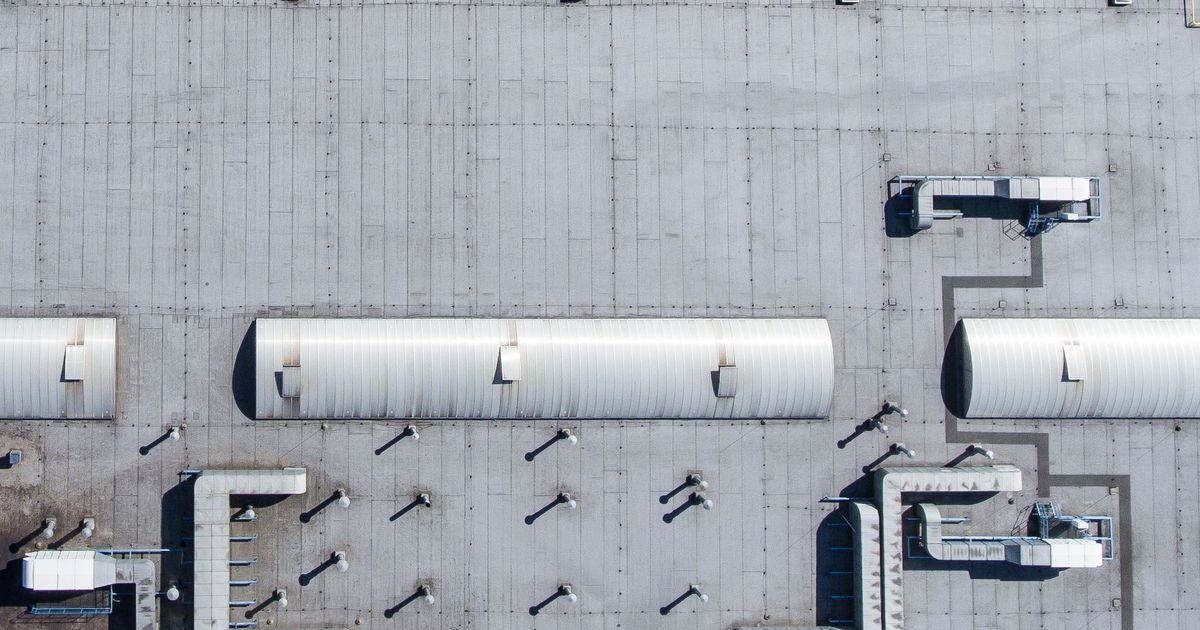
Aerial imagery. Many carriers now photograph roofs from above using satellite or drone imagery at renewal time. The photos flag moss growth, missing shingles, discoloration, ponding, and overhanging trees. Aerial photos are fast and cheap, but they can also be wrong, mistaking shade, a solar panel shadow, or a neighbor’s tree for roof damage. If your notice cites an aerial photo, ask for a copy of the image.
Post policy inspections. Many insurers inspect a home shortly after a policy starts. If the inspection finds roof wear, missing shingles, or other hazards, the carrier may demand repairs by a deadline or cancel or nonrenew the policy. Ask for the inspection report and photos, and confirm the exact deadline in writing.
Underwriting review at renewal. At renewal, the carrier reviews the roof’s age, the claims history on the property, and any prior inspection notes. Roofs approaching the later stages of their expected life face stricter decisions, and a roof with a patchwork repair history in the same area is read as an ongoing problem rather than a fixed one.
Remaining useful life. Some states have moved the decision from age alone to remaining life. Florida law, for example, steers decisions toward roof condition and remaining useful life rather than age alone, and carriers there commonly require an inspection showing at least about 5 years of useful life remaining before they will renew. A roof that passes an inspection with documented remaining life is much easier to insure than a roof of the same age with no inspection at all.
What Counts as an Old Roof
The 20 year line is the one most homeowners run into, but it is not the same for every material. Insurers weigh age against the expected lifespan of the material on your roof:
| Roof material | Typical lifespan | When insurers start to worry |
|---|---|---|
| 3 tab asphalt shingles | 15 to 20 years | Around 15 years |
| Architectural asphalt shingles | 20 to 30 years | Around 20 years |
| Metal roofing | 40 to 70 years | Rarely before 30 years |
| Clay or concrete tile | 40 to 50 years or more | Rarely before 30 years |
| Natural slate | 75 to 100 years | Rarely, and usually for condition, not age |
| Wood shake | 20 to 30 years | Around 15 to 20 years, plus fire risk |
A 20 year old architectural shingle roof is at the boundary, and an inspection showing several years of life left can keep it insurable. A 20 year old metal roof is barely middle aged, and our guide to how long a metal roof lasts explains why carriers treat it differently. The lesson is that age is a starting point for the conversation, not the final word. A documented inspection can move the answer in your favor.
Warning Signs Your Roof Is About to Cost You Coverage
Insurers look for the same warning signs a good roofer looks for. Walk your property with this list before renewal season, or ask a roofer to do it with you, and fix what you find before an underwriter finds it first.
Curling, cupping, or clawing shingles. Shingle edges that turn up or tabs that lift in the middle are classic age signals, and they show up clearly in aerial photos.
Granule loss. Bare patches, bald spots, or heavy granule buildup in the gutters mean the shingles are losing their weather protection. Granule loss is one of the first things an inspector notes.
Moss, algae, and lichen. Moss holds moisture against the shingle surface and speeds decay. Heavy moss growth is visible from above and is a frequent item on inspection reports.
Missing, cracked, or slipped shingles. Even a handful of missing shingles after a storm can trigger a repair demand if they are not fixed promptly.
Repeated patches in the same area. Patchwork repairs tell an underwriter the roof has been addressed several times without solving the underlying problem. One patched area is maintenance. Three patches on the same slope is a pattern.
Sagging or soft spots. A sagging ridge or a soft feeling section underfoot points to decking or structural trouble, and it is one of the most serious findings an inspector can make.
Leaks and interior stains. Ceiling stains, peeling paint, and damp insulation mean water is already getting in. Our guide to a leaking roof explains how to trace a leak to its source before it spreads. If you have an active leak, a roof leak repair should come before any conversation with an insurer.
Damaged flashing and gutters. Bent or missing flashing around chimneys and valleys, and gutters clogged with debris, let water pool where it should drain away. Poor drainage weakens the roof structure over time.
What Happens After the Notice
The clock starts the day the notice arrives, and the consequences of waiting are steeper than most homeowners realize.
Your mortgage is at risk. Almost every mortgage requires continuous homeowners insurance, because the home secures the loan. If your coverage lapses, your lender can buy insurance for you. This is called force placed insurance, and it protects only the lender, not you or your belongings. The Consumer Financial Protection Bureau says force placed cover usually costs twice as much as a policy you buy yourself, and federal rules require your servicer to warn you at least 45 days before charging you for it, with a reminder notice after that. The extra premium is added to your escrow or loan balance, which can push a monthly payment beyond what you can afford.
A lapse follows you. A gap in coverage makes the next policy harder to place and more expensive. Carriers treat a lapse as a risk signal, and a prior cancellation on your record can mean higher premiums even after you fix the roof. An old or damaged roof can already add up to 20 percent to a premium, according to Insurance.com research cited by Cost Guide, so a lapse on top of a roof problem compounds the cost.
The wider market is tightening. This is not a problem that affects one carrier. In California, seven of the twelve largest residential insurers have either stopped selling new policies or cut existing coverage in the past three years, and State Farm announced in March 2024 that it would nonrenew about 72,000 California property policies. In that kind of market, a homeowner who waits until coverage ends has fewer carriers to turn to and less leverage with each one.
What to Do Step by Step
Work this list in order. Each step makes the next one easier, and skipping the documentation step is the mistake that costs people the most.
Step 1: Read the notice and get the reason in writing. Note the effective date, the stated reason, and any repair deadline. If the notice is vague, call the carrier and ask for the specific defect in writing, plus a copy of any inspection report or aerial photo it relied on. In Texas, insurers must now provide that written statement for decisions made after January 1 2026.
Step 2: Get an independent roof inspection. Bring in a roofer, not just the insurer’s inspector. A professional roof inspection tells you whether the insurer’s concern is real, how much life the roof has left, and whether repair or replacement is the right answer. Ask for a written report with photos, because that report is the document underwriters and new carriers will want to see.
Step 3: Decide repair or replace, then do the work. See the decision guide below. Do not start an expensive replacement before you know what the insurer actually requires. In some cases a repair plus a clean inspection report is enough to keep the policy.
Step 4: Document everything. Photograph the roof before and after the work, keep every invoice and receipt, keep the inspection report, and keep the permit if one was required. Underwriters trust paperwork more than promises, and a homeowner who can show dated before and after photos plus a contractor invoice is far more likely to get coverage back than one who can only say the work was done.
Step 5: Ask your carrier to reconsider. Send the inspection report, photos, and proof of repairs to your insurer and ask for a reinspection or reinstatement. Some carriers will reinstate the policy or withdraw the nonrenewal once the risk is addressed. If the carrier says no, ask what would change the answer, and get that in writing too.
Step 6: Shop for new coverage in parallel. Do not wait for your current carrier’s answer. Different carriers judge the same roof differently, and an independent agent who works with many carriers can often place a home that one company refused. Get quotes while your current policy is still in force, and have the new policy ready before the old one ends so there is no gap.
Step 7: Use a FAIR Plan only as a bridge. If no standard carrier will write the home, most states offer a Fair Access to Insurance Requirements plan, a state backed pool for high risk homes. FAIR Plans provide basic dwelling coverage at higher premiums with narrower protection, and they are meant as a temporary bridge while you fix the roof, not a permanent home. In Texas, the provider of last resort is the Texas FAIR Plan Association, and you generally qualify after at least two companies have declined to insure the home.
Repair or Replace: How to Decide
The right answer depends on the roof’s age, its remaining life, and what the insurer actually requires. A short term fix may restore the roof’s function, but it does not always restore an insurer’s confidence.
Repair is usually enough when the damage is isolated, the roof is under 15 years old, and an inspection shows at least 5 years of useful life remaining. Replacing a section of missing shingles, fixing flashing, and clearing moss can satisfy an underwriter when the rest of the roof is sound.
Replacement is usually required when the roof is past 20 years with widespread wear, when patches already cover the same areas repeatedly, or when the inspection shows less than 5 years of life left. Insurers often look for consistency of condition across the whole roof, and a new section on an otherwise worn roof can still read as a risk.
Real 2026 cost ranges help frame the decision:
| Work | Typical cost range |
|---|---|
| Fixing a single leak | Around $200 and up |
| Average roof repair | Around $1,800 |
| Repairing a sagging roof section | $1,500 to $7,000 |
| Full roof replacement | $5,900 to $12,900 |
The repair figures come from Insurify’s 2026 cost data, and our own guide to average roof replacement cost breaks the replacement range down by material and roof size. A replacement is a large bill, but compare it honestly with the alternative: force placed insurance at roughly twice your normal premium, a higher premium on the next policy, and the risk of a leak turning into interior damage that the next claim may not cover.
If you do replace, consider the insurance angle in the material choice. A metal roof can cut a homeowners premium by up to 16 percent, according to Insurify data, because carriers price its durability and fire resistance. A Class 4 impact resistant roof can earn further discounts in hail prone states. Our guide to hail damage on a metal roof explains how the Class 4 rating works and what documentation carriers want to see.
How to Get Covered Again
Getting coverage back is a matter of proving reduced risk, and underwriters want evidence, not assurances. Expect a new carrier, or your old one on reconsideration, to ask for:
- A recent inspection report from a licensed roofer, ideally less than 90 days old
- Dated photos of the current roof condition, including close ups of any repaired areas
- Invoices and receipts for repairs or replacement, with the contractor’s name and license number
- The permit and final inspection sign off, if the work required one
- The roof’s installation date and material, so the underwriter can reset the age clock
Present the package as one file, not as loose emails. A single PDF with the inspection report first, then before and after photos, then invoices, reads like a professional job and gets a faster answer. If the roof was replaced, make sure the paperwork states the installation date clearly, because that date is what resets the roof’s age in the underwriter’s system.
An independent agent is worth using here. Agents who work with many carriers know which ones will accept a 22 year old roof with a clean inspection, which ones want a full replacement first, and which ones offer conditional or temporary coverage while work is underway.
If the Cancellation Is Wrong, Dispute It
Not every cancellation is fair, and not every inspection is accurate. Aerial photos misread shade as damage, inspectors flag a neighbor’s tree as your roof’s problem, and underwriting systems sometimes apply a roof’s age from a database that is years out of date.
If you believe the decision is wrong, work it in this order:
Correct the facts in writing. Send the carrier your inspection report, dated photos, and any proof that the stated reason is mistaken, and ask for a reinspection. Keep the letter short and factual, and keep a copy.
Check your claims history. Pull your free CLUE report from LexisNexis, the database insurers use to see your claims history. Errors in that report, such as a claim that was denied or a claim filed by a previous owner, can drive a nonrenewal that should never have happened. Dispute any error with LexisNexis and send the correction to the carrier.
Escalate to your state insurance department. Every state has an insurance department that takes consumer complaints, and a complaint often prompts a faster and more careful review from the carrier. In Texas, that is the Texas Department of Insurance, and the department’s own guidance says you may file a complaint if you think a company nonrenewed or cancelled your policy unfairly.
Ask about a repair deadline extension. If the carrier gave you 30 to 45 days to complete a repair and you need more time, ask for the extension in writing as early as possible. Carriers are more flexible before a deadline passes than after it.
How to Keep This From Happening Again
The cheapest cancellation is the one that never happens. A roof that is inspected, maintained, and documented before renewal season is a roof an underwriter has little reason to question.
Schedule a prerenewal inspection. Have a roofer inspect the roof one to three months before your policy renews, and fix anything the inspection finds. That way the insurer’s own inspection, if it happens, sees a roof that has already been checked.
Keep a maintenance file. Store inspection reports, repair invoices, gutter cleaning receipts, and dated photos in one folder. A homeowner who can show five years of maintenance records is a different risk in an underwriter’s eyes than one who cannot show any.
Fix small problems fast. A missing shingle, a cracked flashing, or a clogged gutter costs little to fix and a lot to ignore. Small damage left alone becomes the water intrusion, mold, and structural trouble that drive cancellations.
Plan the replacement before the insurer forces it. If your roof is approaching 20 years, start budgeting for replacement and get quotes a year early. A planned replacement on your schedule costs less than an emergency replacement on an insurer’s deadline, and it resets the roof’s age before renewal becomes a problem.
Consider a longer lived material at replacement. Metal, tile, and slate roofs last decades longer than asphalt, and carriers price that durability into premiums and underwriting decisions. If you live in a hail prone state, a Class 4 impact rated roof can also earn a discount and make the next hail claim easier to win.
Frequently Asked Questions
Can homeowners insurance be cancelled because of the roof? Yes. An insurer can cancel or refuse to renew your policy when your roof’s age, condition, material, or claims history makes the home too risky to cover. Mid term cancellation is rare and usually limited by state law, so most roof related losses of coverage arrive as nonrenewals at the end of the term.
Can insurance drop you for an old roof? Yes, but age alone is not always the reason. Insurers look at remaining useful life and condition together. A 20 year old asphalt roof is often flagged, while a well maintained older roof with a clean inspection report can still qualify. A metal roof at the same age is rarely a problem, because its expected life is 40 to 70 years.
How old is too old for homeowners insurance? For asphalt shingles, around 20 years is the line most carriers use. Roofs older than 20 years are often asked to pass an inspection showing several years of useful life left. For metal, tile, and slate, the line is much later, because those materials last far longer.
What happens if my homeowners insurance is cancelled because of my roof? You get a written notice with an effective date and a reason. Your coverage usually stays in force until that date if it is a nonrenewal. If you do not replace the coverage, your mortgage lender can buy force placed insurance at your expense, which the Consumer Financial Protection Bureau says usually costs twice as much as a normal policy and protects only the lender.
Can I get homeowners insurance with a bad roof? Yes, but your options are narrower. Most standard carriers will want proof of repairs or replacement first. Some will offer temporary or conditional coverage while work is underway. If no standard carrier will write the home, your state’s FAIR Plan can provide basic coverage as a bridge.
Should I repair or replace my roof after cancellation? It depends on the roof’s age and condition. Repairs are enough when the damage is isolated and the roof has at least 5 years of useful life left. Replacement is usually needed when the roof is past 20 years with widespread wear, or when patchwork repairs already cover the same areas. Ask the insurer what it requires before you spend the money.
Can I get my insurance reinstated after it is cancelled because of my roof? Often yes. Send the carrier your inspection report, before and after photos, and proof of completed repairs, and ask for a reinspection. Carriers frequently reinstate a policy or withdraw a nonrenewal once the roof risk is documented as fixed.
What makes a roof uninsurable? A roof is usually called uninsurable when it is 20 or more years old with visible wear, has active leaks or water damage, is made of an outdated or high risk material, drains poorly, or has a history of repeated patchwork repairs. An inspection showing remaining useful life and a record of maintenance can move a roof back into insurable territory.
Got a cancellation or nonrenewal notice because of your roof? Start with a professional inspection, fix what the report finds, and keep every receipt and photo. Our team can inspect your roof, carry out the residential roof repair or full replacement the insurer wants to see, and give you the written report to send back to your carrier. For storm related damage, see our storm damage repair service.