
A new roof is one of the biggest checks a homeowner ever writes, so the question is fair: what do you actually get for it? The honest answer is that a roof replacement pays you back in more ways than most projects, and not only when you sell. It stops the slow damage an old roof causes, cuts your energy bills, makes the house easier to insure, and changes how the whole property looks from the street.
The numbers back that up. Remodeling Magazine 2025 Cost vs Value Report puts the average asphalt shingle roof replacement at $31,871 nationally, with $21,501 added back in resale value, about 67.5 percent of the cost recouped. That is the resale math alone. It does not count the leaks you avoid, the energy you save, or the insurance headaches you skip. This guide walks through all ten benefits, with real figures, and then the cases where a new roof does not pay, so you can decide with clear eyes.
Benefits at a Glance
| Benefit | What It Means in Practice |
|---|---|
| Stronger protection | New underlayment, flashing, and ventilation stop leaks before they start |
| Resale value | About 67 percent of the cost comes back at sale, per Remodeling Magazine |
| Lower energy bills | Reflective materials can cut peak cooling demand 10 to 15 percent |
| Curb appeal | The roof is the largest visible surface, and a new one transforms the whole exterior |
| Fresh warranty | Manufacturer and workmanship coverage restarts, often transferable |
| Easier insurance | A new roof can restore replacement cost coverage and lower premiums |
| Storm protection | Current wind and impact ratings, built to modern codes |
| Less maintenance | Years of small repairs and emergency calls disappear |
| Healthier home | No more attic moisture, mold, and drafts from a failing roof |
| Future upgrades | Skylights, solar, and better ventilation are easy to add during the job |
1. Your Home Gets Real Protection Again
This is the benefit that matters most, and the one every other benefit depends on. A roof is a system, not a surface. Shingles are the visible layer, but the protection comes from everything underneath: the deck, the underlayment, the flashing at every joint, and the ventilation that keeps the attic dry.
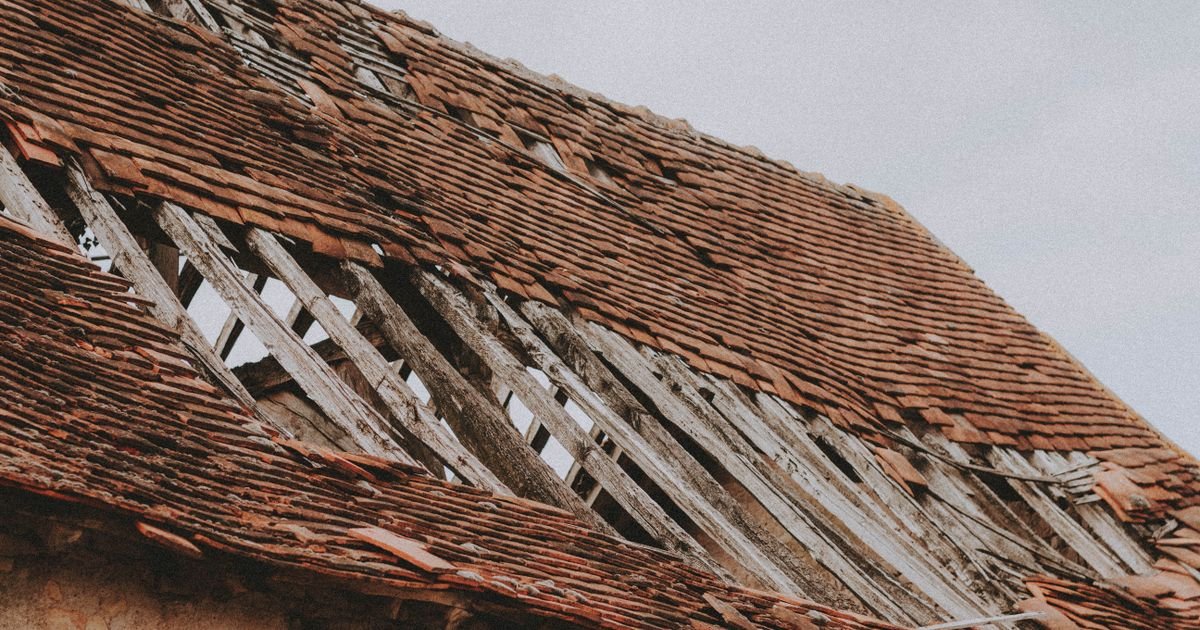
An old roof fails quietly. Granules wash off the shingles, the underlayment dries out and cracks, flashing lifts around chimneys and valleys, and water finds the smallest opening. By the time a stain appears on your ceiling, water has often been soaking the deck and framing for months. Our pillar guide to leaking roofs walks through every warning sign, and most of them trace back to a roof that is simply past its working life.
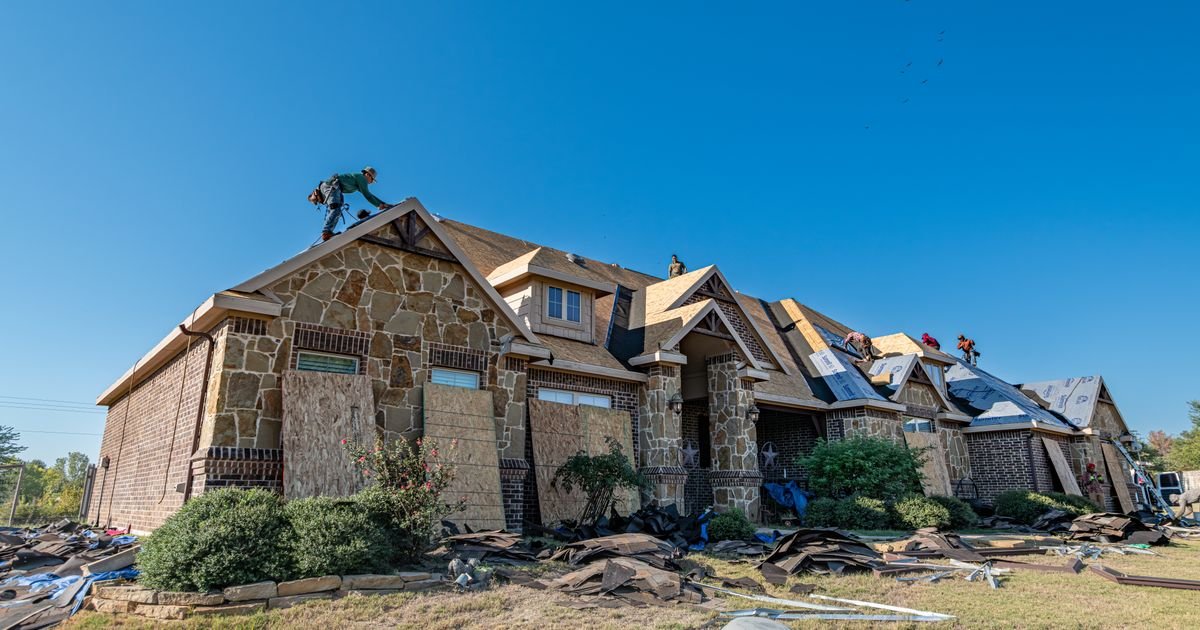
A full replacement resets the whole system at once. The crew tears off the old material, inspects the deck board by board, and replaces any soft or rotted wood before anything new goes on. Modern synthetic underlayment goes down as a second water resistant barrier, so even if a shingle blows off in a storm, water still cannot reach the wood. New metal flashing seals the joints around chimneys, vents, and valleys, which are where most leaks start. Balanced intake and exhaust ventilation keeps moist air moving out of the attic, which prevents the condensation that feeds mold and rots framing from the inside.
If your roof is past 20 years and showing its age, a professional roof inspection will tell you whether the system underneath is still sound or whether you are one bad storm from a much bigger bill. When the inspection shows the roof is done, our residential roofing service handles the full replacement, from tear off to final inspection.
2. You Recoup About Two Thirds of the Cost at Resale
Few home improvements return as much of their cost as a roof. Remodeling Magazine tracks this every year in its Cost vs Value Report, and roofing consistently sits near the top of the list for exterior projects. Here is what the 2025 report shows nationally:
| Roofing Material | Average Job Cost | Resale Value Added | Cost Recouped |
|---|---|---|---|
| Asphalt shingle, midrange | $30,500 to $31,871 | $20,500 to $21,501 | About 67 percent |
| Asphalt shingle, upscale | $58,500 | $34,400 | About 59 percent |
| Standing seam metal | $48,400 | $31,400 | About 65 percent |
| Clay or concrete tile | $45,000 | $28,000 | About 62 percent |
| Natural slate | $78,000 | $42,000 | About 54 percent |
The midrange asphalt roof is the sweet spot: the lowest cost, the widest buyer appeal, and the highest percentage recovered. Upscale and luxury materials look better, but they return a smaller share of what they cost, because buyers will only pay so much extra for a premium roof on an ordinary house.
The resale value figure also understates the real effect. A roof near the end of its life does not just add less value, it actively scares buyers away. The National Association of Realtors 2025 Remodeling Impact Report ranks new roofing among the top three remodeling projects by homeowner joy score, and reports that more than 40 percent of realtors see increased buyer demand for homes with updated roofing. Buyers read an old roof as a bill they will have to pay soon, and many will either walk away or discount their offer by more than the roof would have cost. A new roof removes that objection entirely, and it often helps the house sell faster, which matters when you are carrying two mortgages or paying a bridge loan.
For the full cost picture, including what drives the price up or down in your market, see our guide to average roof replacement cost.
3. Lower Energy Bills All Year
An old roof lets heat move where you do not want it. In summer, a dark worn roof soaks up sun and pushes that heat into the attic, and from there into your living space. Your air conditioner runs longer and harder to keep up. In winter, gaps and thin insulation let warm air escape through the roof, and the heating system works overtime to replace it.
A new roof attacks this from three directions at once. First, modern materials reflect more sunlight. Reflective shingles and metal roofing bounce a larger share of solar heat back into the sky instead of absorbing it. The U.S. Environmental Protection Agency reports that reflective cool roof products can cut peak cooling demand by 10 to 15 percent, and the ENERGY STAR cool roofs page explains how solar reflectance works for both sloped and flat roofs. One caution worth knowing: the EPA ended its ENERGY STAR label program for roof products in June 2022, so no shingle on the shelf today carries a current ENERGY STAR roof certification. Instead of chasing a logo, check the product’s tested solar reflectance and SRI ratings in the Cool Roof Rating Council directory, which lists verified values by product and color.
Second, a replacement is the one chance to fix ventilation properly. Balanced soffit intake and ridge exhaust keep attic temperatures closer to outdoor temperatures in summer, which takes load off the air conditioner, and keeps the roof deck cold in winter, which prevents the ice dams that form when escaping heat melts snow that refreezes at the eaves.
Third, the crew can add insulation and air sealing at the roofline while the deck is exposed, closing the gaps that let conditioned air leak out. Together, these three changes are why homeowners often notice the difference in their first full summer after a replacement, not just in comfort but on the utility bill.
4. Curb Appeal That Changes the Whole House
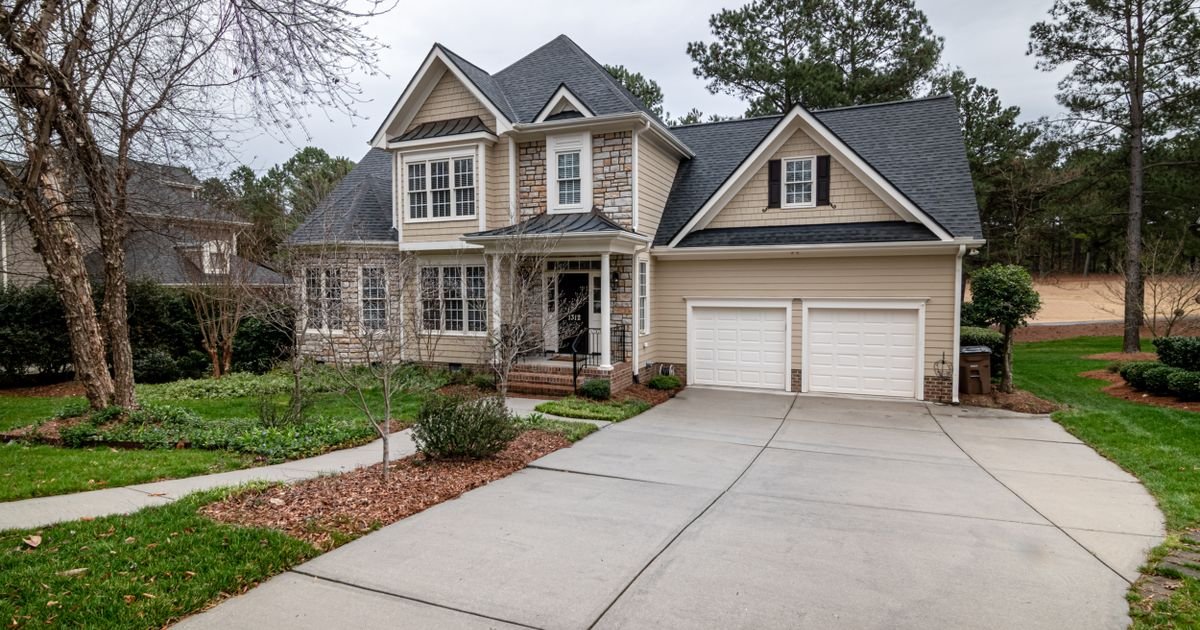
Your roof covers a large share of what anyone sees from the street on a typical two story home. An old roof fades, streaks, curls, and sags in ways you stop noticing day to day, but a buyer or a neighbor sees them instantly. A new roof is the single fastest way to make the whole house look newer, because it resets the largest surface on the property.
The change is not only about looking new. Modern architectural shingles come in dimensional profiles and color blends that mimic wood shake or slate, and metal roofing now comes in standing seam panels and shingle profiles that suit everything from farmhouse to modern builds. Choosing the right color and profile can make a dated house look current and a plain house look intentional. Our pillar guide to enhancing curb appeal with a new roof covers color and material choices in detail, including which combinations add the most value in different neighborhoods.
Curb appeal is not only a selling point. It affects how you feel about your own home every time you pull into the driveway, and it affects how appraisers and insurers view the property. A house that looks well maintained gets the benefit of the doubt everywhere else too.
5. A Fresh Warranty and Real Peace of Mind
An old roof usually has no warranty left. The original coverage expired years ago, and any workmanship warranty from the original installer is long gone. That means every repair comes out of your pocket, and every leak is your problem alone.
A new roof restarts the clock on both kinds of coverage. Manufacturer warranties on architectural shingles typically run 25 to 50 years, with many lines carrying lifetime limited coverage against manufacturing defects. The strongest terms, including wind coverage up to 130 mph and extended labor coverage, usually require a complete system from one manufacturer, installed by a credentialed contractor. Workmanship warranties from the installer cover installation errors, and a reputable roofer will put that in writing for 5 to 10 years or more.
Two details matter more than the headline number. First, many manufacturer warranties are transferable to the next owner, which is a genuine selling point, because the buyer inherits decades of coverage instead of an uncovered roof. Second, the warranty only protects you if the roof was installed to the manufacturer’s specifications, which is why the installer matters as much as the shingle brand. Our guide to types of roofing warranties explains the difference between manufacturer and workmanship coverage, what voids a warranty, and which questions to ask before you sign.
6. Insurance Gets Easier and Sometimes Cheaper
Your roof and your insurance policy are tied together more tightly than most homeowners realize. Insurers price risk, and an old roof is one of the clearest risks on a policy. Many carriers set age limits, commonly 15 to 20 years, after which they will refuse to renew a policy on an old roof or will change the terms against you.
The change that hurts most is the switch from replacement cost value to actual cash value. With replacement cost coverage, the insurer pays the full cost of a new roof after a covered loss, minus your deductible. With actual cash value, the payout is reduced by depreciation, so a 20 year old roof might only be worth a fraction of its replacement cost, and you pay the rest yourself. A new roof usually restores replacement cost coverage, because the insurer is no longer pricing in decades of wear.
A new roof can also lower your premium. Many carriers offer discounts for impact resistant Class 4 shingles, for roofs built to wind mitigation standards with ring shank nails, sealed decks, and hurricane clips, and for documented wind mitigation features. If you live in a storm prone state, get the wind mitigation inspection done as soon as the new roof is finished, while the documentation is fresh. Our guide to wind mitigation explains the inspection and the credits in detail.
The stakes are real: some homeowners only discover their roof has become an insurance problem when the renewal letter arrives. Our guide to homeowners insurance cancelled because of roof covers what to do if your carrier drops you over roof age, and how a replacement fixes it.
7. Storm Protection Built to Current Codes
Roofing standards have improved a lot since many homes were built. Modern architectural shingles are rated for winds of 110 mph as standard, and up to 130 mph when installed as a complete system with the manufacturer’s starter strips and hip and ridge caps. Impact resistant Class 4 shingles are tested to survive a two inch steel ball dropped from 20 feet, which simulates hail, and many insurers reward them with premium discounts.
Building codes have moved too. Current codes in most states require ice and water shield at the eaves and valleys, sealed roof decks in high wind zones, and specific nailing patterns with ring shank nails that hold far better than the smooth shank nails used decades ago. An old roof may have been built to code when it was installed, but it is not built to today’s code, and that gap shows up in the first serious storm.
A new roof closes that gap in one job. The deck gets sealed, the nailing pattern meets current standards, the flashing is replaced at every penetration, and the materials carry ratings your old roof never had. If you live in hail country, our pillar guide to hail damage roof inspection explains how adjusters evaluate storm damage and what a Class 4 roof changes about that conversation.
8. Fewer Repairs and Lower Maintenance
An aging roof is a subscription you never signed up for. First a shingle blows off, then a small leak appears around a vent, then the flashing at the chimney needs resealing, then moss takes hold on the shaded slope. Each repair is small on its own, a few hundred dollars here and there, but they add up, and each one is a disruption: finding a roofer, waiting for a dry day, hoping the fix holds.
A new roof ends that cycle for years. Modern materials are designed to need little more than a yearly look over: clear the gutters, remove debris, check the flashing after a big storm. There are no soft spots developing underfoot, no granule loss to track, no recurring leak to chase. The savings are not only money, they are time and worry. Homeowners who replace a roof that is 20 or more years old often find they go five to ten years before the first real maintenance item appears, and even then it is usually minor.
That said, a new roof is not maintenance free, and skipping the basics will shorten its life. Our pillar guide to roofing maintenance tips for all seasons lays out the simple yearly routine that protects your investment, and it costs almost nothing compared with the repairs it prevents.
9. A Safer, Healthier Home
A failing roof affects more than the structure. Water that gets past the shingles does not just stain ceilings, it feeds mold in the attic and inside wall cavities, where you cannot see it. Mold spores and damp air aggravate allergies and asthma, and a roof leak that soaks insulation can leave a home smelling musty for months after the leak itself is fixed. A new roof with proper ventilation keeps the attic dry, which is the single most effective mold prevention step a homeowner can take.
Safety goes beyond moisture. An old roof can sag under snow load, shed shingles in high wind, and create soft spots that are dangerous for anyone who has to walk on it, from the homeowner clearing leaves to the technician servicing a vent. A new deck and a firm, even surface remove those hazards. Fire safety improves too: asphalt shingles and metal roofing both carry Class A fire ratings when installed correctly, the highest rating available, which matters in wildfire prone areas and anywhere embers can travel.
There is also a quieter benefit that competitors rarely mention: noise. A new roof with fresh underlayment and solid decking dampens rain and wind noise noticeably compared with a thin, worn out roof. It is a small thing until the first heavy rainstorm after the replacement, when the house simply sounds calmer.
10. Room to Add What You Want Next
A roof replacement is the cheapest time to add anything that lives on or under the roof, because the crew is already there and the deck is already exposed. Skylights, dormer windows, additional vents, and solar ready conduit all cost far less when they are installed as part of a replacement than as separate jobs later. Cutting a skylight into a finished roof means disturbing new shingles and flashing; doing it during the replacement means it is built into the system from the start.
The same logic applies to solar. If you plan to add panels in the next few years, replacing the roof first is almost always the right order. Solar panels last 25 years or more, and removing and reinstalling them to replace a roof underneath costs thousands. A new roof gives the panels a surface that will outlast them. Tell your roofer about your solar plans before the job starts, so the deck, flashing, and conduit are ready.
This is also the moment to fix ventilation properly, add a ridge vent, upgrade attic insulation, or install a solar powered attic fan. These are small additions during a replacement and expensive retrofits afterward. Our guide to different types of roofing materials can help you pick a material that suits the upgrades you have in mind, and our guide to how long does a metal roof last is worth reading if solar is in your plans, since a metal roof can outlive the panels by decades.
When a New Roof Does NOT Pay
A new roof is a strong investment, but it is not always the right move. Here is how to tell:
| Situation | Better Move |
|---|---|
| Roof is under 12 years old with one isolated leak | Repair the leak, do not replace the roof |
| Damage is limited to one slope or one valley | A partial replacement or targeted repair |
| You plan to sell within a year and the roof still passes inspection | Price the home for the roof age, or offer a credit |
| The roof has 5 or more good years left and no active leaks | Keep maintaining it and save the replacement for later |
| Structural problems exist underneath, like a sagging deck or bad framing | Fix the structure first, then decide on the roof |
| You cannot afford a full replacement right now | A quality repair buys time, and financing is cheaper than emergency water damage |
The rule of thumb most roofers use: if the roof is past 20 years, has widespread granule loss, curling or missing shingles across multiple slopes, or leaks in more than one place, replacement is usually cheaper than the next five years of repairs. If the problems are isolated and the roof is otherwise sound, a roof leak repair is the smarter spend. When in doubt, get two independent inspections before you commit, and be wary of any contractor who recommends a full replacement after a five minute look from the ground.
How Much Does a New Roof Cost in 2026
Nationally, a midrange asphalt shingle replacement runs about $30,500 to $31,871, according to the Remodeling Magazine 2025 Cost vs Value Report. Your actual price depends on roof size, pitch, the material you choose, how many layers need tearing off, and local labor rates. A simple single story roof in a low cost market can come in well under the national average, while a steep, complex roof with premium materials in a high cost city can run two or three times that figure.
Get at least three itemized quotes, each naming the exact shingle line, underlayment, flashing, and ventilation work included. A quote that just says “new roof” tells you nothing. For a full breakdown of what moves the price and how to compare quotes line by line, see our guide to average roof replacement cost. If you are weighing repair against replacement, our roofing faq answers the most common questions homeowners ask at this stage, and if you are wondering what living through the job is like, our guide on should you stay home during roof replacement covers the noise, the mess, and the schedule honestly.
Frequently Asked Questions
Does a new roof increase home value? Yes. Remodeling Magazine 2025 Cost vs Value data shows a midrange asphalt roof adds about $21,501 in resale value on a $31,871 job, roughly 67.5 percent recouped. The effect is larger in practice, because a new roof also removes a common buyer objection and helps the home sell faster.
Is a new roof worth it if I am not selling? Usually yes. You get lower energy bills, fewer repairs, a fresh warranty, easier insurance, and a safer, drier home for as long as you live there. The resale return is a bonus, not the whole case. If your roof is under 12 years old and the problems are isolated, a repair is the better spend.
How long does a new roof last? Architectural asphalt shingles typically last 25 to 30 years, metal roofing 40 to 70 years, and slate or tile 50 years or more. The real lifespan depends on the material, the climate, the installation quality, and whether the attic is ventilated properly. Poor ventilation can cut a shingle roof’s life by years.
Will a new roof lower my energy bills? It can, especially in hot climates. Reflective roofing materials can cut peak cooling demand by 10 to 15 percent, according to the U.S. Environmental Protection Agency. The savings are largest when the replacement also fixes ventilation and adds insulation at the roofline.
Will a new roof lower my homeowners insurance? Often, yes. A new roof can restore replacement cost coverage if your old roof had been moved to actual cash value, and many carriers offer discounts for impact resistant shingles and documented wind mitigation features. Ask your insurer what documentation they need before the job starts.
Can I stay in my home during a roof replacement? Yes, in most cases. The job is loud and messy during working hours, and you will want to keep pets and small children away from the work area, but you can usually sleep in the house at night. A typical asphalt roof replacement takes one to three days.
What is the best roofing material for resale value? Midrange architectural asphalt shingles. They have the widest buyer appeal, the lowest cost, and the highest percentage of cost recouped at resale, about 67 percent. Metal and tile return a smaller share of their higher cost, though they can be the right choice for a long term home.
Do I need a permit for a roof replacement? In most jurisdictions, yes. A full roof replacement almost always requires a building permit and a final inspection. Your contractor should pull the permit, not you. If a roofer suggests skipping the permit, find another roofer.
A new roof is one of the few home improvements that pays you back while you live there and again when you sell. If your roof is showing its age, start with a roof inspection and our guide to average roof replacement cost to see where you stand. For storm damage, our storm damage repair team can inspect the roof and document everything for your insurance claim. If you are still deciding between repair and replacement, our pillar guide to leaking roofs will help you read the signs.