
Wind mitigation is the set of building features and upgrades that help a home stand up to hurricane force winds. It covers the roof, how the roof is attached, and every opening in the house, from windows and doors to the garage door. The idea is simple: a home built or upgraded to resist wind suffers less damage, and insurers charge less to cover it.
The money at stake is large on both sides. Repairing storm damage costs $2,700 to $20,800 on average, according to Angi. On the insurance side, the wind portion of a Florida homeowners premium can be up to 70 percent of the total bill, and verified wind mitigation features can cut that wind portion by 3 percent to 55 percent. A single inspection that usually costs $75 to $150 can unlock savings worth hundreds of dollars every year.
This guide explains what wind mitigation is, the 7 features an inspector checks, what the inspection costs, how much you can save, what changed on the 2026 Florida form, and which upgrades pay back fastest. It also covers what to do if you live outside Florida, because the same principles protect homes anywhere high winds strike.
What Is Wind Mitigation?
Wind mitigation is the implementation of certain building techniques to limit damage caused by intense wind. That is the definition used by InterNACHI, the home inspector association, and it captures the idea well. Mitigation is not one product. It is a collection of features, some visible and some hidden inside the attic and under the shingles, that work together to keep the roof on, keep water out, and keep wind pressure from building up inside the house.
The features fall into a few groups. Roof features include the covering material, how the roof deck is nailed to the framing, how the roof structure is tied to the walls, the shape of the roof, and a sealed layer under the covering. Opening protection covers windows, doors, skylights, and garage doors. Garage doors get special attention because they fail so often in windstorms, usually from weak track mounting or flimsy panels.
None of this is guesswork. The techniques come from research into which homes survived real hurricanes and which did not. Studies by the Insurance Institute for Business and Home Safety show that homes built to its FORTIFIED standard can experience up to 50 percent less damage during severe storms. After Hurricane Michael in 2018, homes with wind resilient features such as improved roof to wall attachment, hip roof geometry, and impact resistant openings consistently had lower loss ratios than nearby homes built to older standards.
Why Wind Mitigation Matters
Wind mitigation matters for four reasons: damage, insurance cost, safety, and insurability.
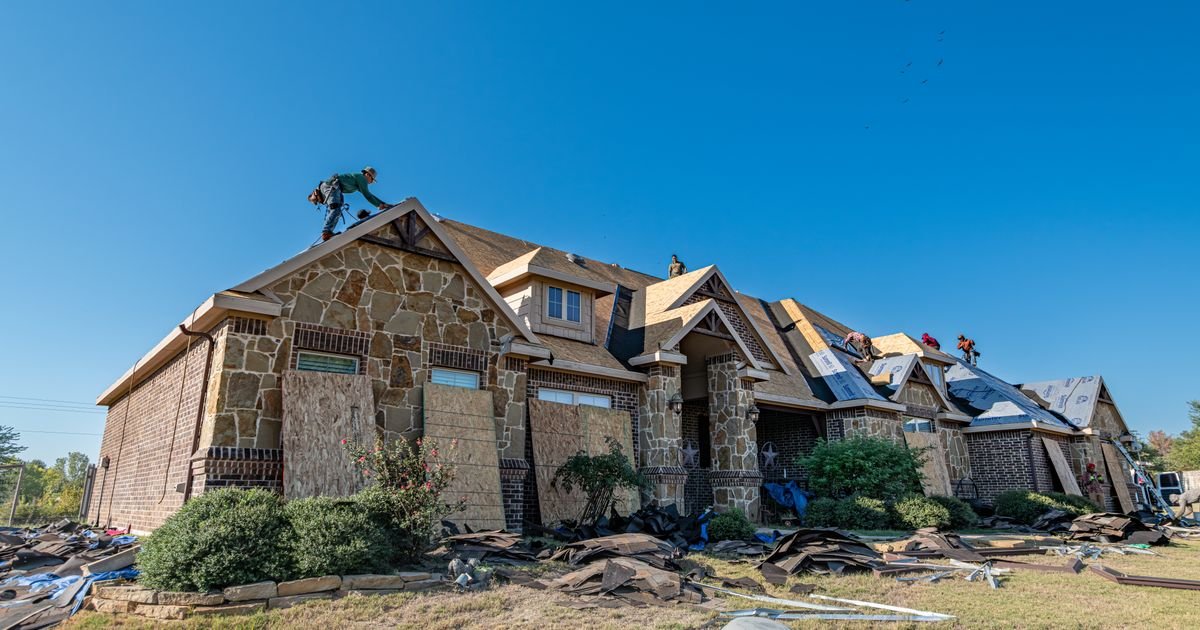
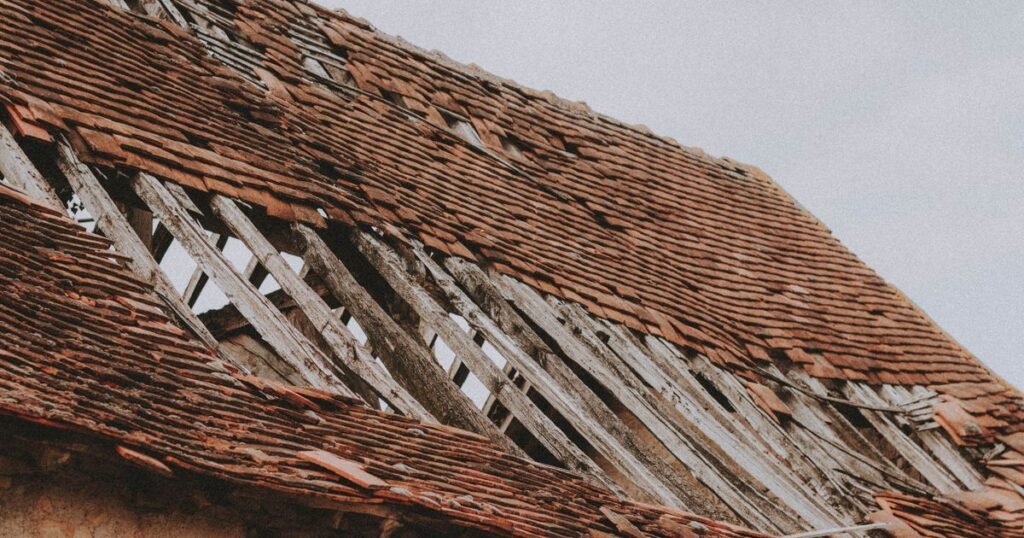
It prevents expensive damage. Strong winds peel shingles, lift roof decks, and drive rain through openings. Once an opening fails, wind pressure inside the house can rise high enough to push the roof off from the inside. Mitigation features break that chain at every link: the covering stays on, the deck stays nailed down, the roof stays tied to the walls, and the openings stay shut.
It cuts insurance costs. In Florida, the law requires insurers to give discounts, credits, or lower deductibles for verified wind resistant features. Florida Statute 627.0629 is the rule behind it. The credits apply to the hurricane wind portion of the premium, which is often the largest piece of a Florida policy. Other Gulf Coast and Atlantic states offer similar incentives, and insurers everywhere price verified resilience into their rates.
It keeps you safer. Property damage is the first concern in a guide like this, but safety is the real reason. A home that holds together in a storm protects the people inside it. Wind mitigation features are the difference between a house that loses a few shingles and a house that loses its roof.
It keeps your home insurable. Lenders in Florida require windstorm insurance for a mortgage, and insurers can refuse to cover a home that is vulnerable to wind damage. Homes with verified mitigation features are easier to insure, and they are worth more to buyers. Homes that meet FORTIFIED standards may command higher resale values, according to Smart Home America, cited by Guidewire.
The 7 Features a Wind Mitigation Inspection Checks
A wind mitigation inspection is a focused check of the construction features that affect how a home performs in high winds. In Florida, the inspector records the results on the state Uniform Mitigation Verification Inspection Form, known as OIR-B1-1802, with at least one color photo per feature as evidence. Each feature that qualifies earns its own credit. It is not a pass or fail inspection. Features that do not qualify simply earn no credit.
Here is the full list, in the order the form uses:
| Feature | What the inspector records | Why it matters |
|---|---|---|
| Building code | Year the home was permitted and which code edition applied | Newer codes demand stronger wind features |
| Roof covering | Material, product approval, and install date | Code approved covering resists uplift and water entry |
| Roof deck attachment | Nail size and spacing holding the sheathing to the framing | A failed deck turns a repair into a major loss |
| Roof to wall attachment | Clips, straps, or nails tying the roof structure to the walls | Keeps the roof from lifting off in high winds |
| Roof geometry | Hip, gable, or other shape | Shape decides how much wind pressure the roof takes |
| Secondary water resistance | Sealed layer under the roof covering | Keeps water out if the covering blows off |
| Opening protection | Impact rating of every window, door, skylight, and garage door | One broken opening can pressurize the whole house |
1. Building Code
The inspector starts with the year the home was permitted for new construction, because that decides which building code edition applied. Homes permitted under the 2001 Florida Building Code, which took effect March 1, 2002, or a later edition generally qualify for the building code credit. Later editions add stronger credit tiers. In Miami Dade and Broward counties, homes built under the 1994 South Florida Building Code may also qualify.
A home permitted earlier can still earn credits for the individual features below. The building code credit is only one of the seven, so an older home is far from a lost cause.
2. Roof Covering
The roof covering is the material you see from the outside: shingles, tile, metal, membrane, or built up roofing. The inspector checks whether the covering meets the Florida Building Code product approval standard in effect when it was installed, and when it went on. A roof replaced with a permit under the current code usually qualifies, which is why a new roof is one of the best reasons to get a fresh inspection.
Attachment matters as much as material. Nails, not staples, should be used to fasten shingles and tiles to the deck. Staples pull out far more easily under uplift, and Florida code has moved away from them. If you are comparing covering materials for wind performance, read our guide to types of roofing materials for the full cost and lifespan picture.
3. Roof Deck Attachment
The roof deck is the plywood or OSB sheathing under the covering, and its attachment to the framing is the single most important deck feature. Insurance claim data shows that a house becomes a major loss once the roof deck fails, even partially. The form rates the attachment from weakest to strongest. Category A, the weakest, is 6d nails or staples. Category C, the strongest, is 8d nails at 6 inch spacing. A reinforced concrete roof deck earns the most credit of all.
Two details catch homeowners out. First, the form always rates the weakest attachment found anywhere on the roof, so one poorly nailed section can drag the whole rating down. Second, deck thickness matters far less than fastener size and spacing. A thick deck held with short nails at wide spacing is weaker than a standard deck nailed properly. For the full picture on deck materials and fastening, see our guide to roof sheathing.
4. Roof to Wall Attachment
This is the connection that transfers uplift loads from the roof structure into the walls, and it is a critical safeguard. From weakest to strongest, the common options are:
- Toe nails: nails driven at an angle through the truss into the wall plate. No credit.
- Clips: metal connectors attached to one side of the truss.
- Single wraps: metal straps that wrap over the top of the truss.
- Double wraps: straps that wrap over the truss and fasten on both sides. The strongest common option.
- Structural: anchor bolts embedded in concrete and similar engineered connections.
Roof to wall attachment often carries some of the largest windstorm mitigation credits, so it is worth checking even on an older home. The inspector must be able to see the connections, usually from the attic, and proper installation is essential to connector performance. If there is no attic access, no credit is given for this feature. The 2026 form also recognizes certain engineered retrofit products for roof to wall connections, which can help older homes earn credits they could not before.
5. Roof Geometry
Roof geometry means the shape of the roof, not the covering material. A hip roof, which slopes down on all four sides, holds up best in high winds and earns a credit. Field testing has shown that hip roofs receive up to 40 percent less pressure from wind than gable roofs. Gable end walls extend vertically to the sloping roofline, and if they are not properly built or braced, they have been known to fail outward under the negative suction on the wall.
To qualify for the hip roof credit, gable sections can make up only a small share of the roof total perimeter. There is not much you can do about the shape of an existing roof, but geometry is valuable information when you are buying a home.
6. Secondary Water Resistance
Secondary water resistance, often shortened to SWR, is a sealed layer under the roof covering that keeps water out if the covering blows off. The two most common types are self adhering modified bitumen underlayment applied over all deck joints, and foam seal sprayed onto the underside of the decking. It is relatively rare in older homes, and it is usually installed during a reroof.
SWR is a yes or no item on the form: you either have it or you do not. The inspector may need documentation to verify it, since it is hidden under the covering, so keep your reroof paperwork. If you are replacing your roof, ask your roofer about adding it. The extra cost is small compared to the credit, and it is the cheapest water protection you will ever buy. Our guide to roof underlayment explains the materials involved.
7. Opening Protection
Opening protection covers every window, door, skylight, and garage door. The biggest credits go to homes where all glazed openings are protected by impact resistant windows or approved hurricane shutters. The inspector rates the home by its weakest opening, so leaving even one window unprotected can drop you to a lower credit level. A rated garage door matters as much as the windows, because an unrated garage door can hold your credit back even if every window is impact rated.
Garage doors deserve a closer look. They commonly fail in windstorms because of inadequate track strength, weak mounting, and flimsy metal panels. A wind rated door has no windows, track brackets securely attached to the wall, and horizontal or vertical reinforcement on all panels.
One 2026 change to note: the revised form added a damaged openings category. If the inspector flags any damaged opening anywhere on the form, the opening protection discount is off the table entirely, even if everything else checks out. Repair damaged windows and doors before you book the inspection.
What Changed on the 2026 Form
The Florida Office of Insurance Regulation revised the OIR-B1-1802 form as Rev. 04/26, effective April 1, 2026. Any inspection completed on or after that date must use the revised form. If your inspection was done before April 1, 2026 on the prior version, it generally remains usable for the rest of its five year life, as long as nothing material about the home has changed.
The 2026 form adds four things worth knowing:
- IBHS designation. The form now has a section for a FORTIFIED Home designation from the Insurance Institute for Business and Home Safety, at Roof, Silver, or Gold level. A certified home can qualify for an additional discount.
- Wind zone region. The inspector records the design wind speed where the house sits: High Velocity Hurricane Zone for Miami Dade and Broward counties, Region 1 at 140 mph or higher, Region 2 at 130 to 139 mph, and Region 3 under 130 mph.
- Roof slope. The inspector records whether the primary roof area is steeper than 6:12 or lower, because slope affects how wind interacts with the roof.
- Damaged openings and retrofit products. Damaged openings can now void the opening protection credit, and certain engineered retrofit products for roof to wall connections are now recognized, which helps older homes earn credits they could not before.
How Much Does Wind Mitigation Save?
Wind mitigation credits reduce the wind portion of your premium, not your whole bill. In Florida, the wind portion is often the largest piece of a homeowners policy, frequently more than half of the total. Commonly cited ranges put wind mitigation credits anywhere from about 3 percent to 55 percent of that wind portion, depending on your home features and your insurer rating plan.
A worked example, using figures published by Worth Insurance, shows how the math stacks up:
| Wind portion of premium | Credit | Annual saving |
|---|---|---|
| $2,400 | 10 percent | $240 |
| $2,400 | 30 percent | $720 |
| $2,400 | 50 percent | $1,200 |
That example assumes a $4,000 annual premium with $2,400 of it for hurricane wind. A 30 percent credit saves $720 a year, and you keep saving at every renewal for as long as the form is valid. Homes with impact rated openings, strong roof to wall connections, and a hip roof can earn much larger credits.
The exact amount varies by insurer, because carriers apply different credit amounts to the same form. The best way to know your number is to have your agent rate your policy again with the completed form in hand.
What a Wind Mitigation Inspection Costs and How It Works
A wind mitigation inspection usually costs about $75 to $150. Angi puts the average at $100, and bundling it with a 4 point inspection typically brings the combined total to $150 to $200. It usually takes under an hour. You normally pay for it yourself, though Florida My Safe Florida Home program offers free inspections to qualifying homeowners. The Florida Department of Financial Services explains the program on its consumer site at myfloridacfo.com.
Florida law limits who can sign the form. Qualified inspectors include licensed home inspectors who have completed the required hurricane mitigation training and passed a proficiency exam, general, building, and residential contractors, building code inspectors, professional engineers, and architects.
Getting the inspection is straightforward:
- Schedule the inspection. Make sure the inspector can reach the attic, because roof to wall connections are verified from inside.
- Gather documents. Roof permits, window and door product approvals, and any secondary water resistance paperwork help you get credit for features that are hard to see.
- Get the signed form and photos. Keep a copy with your policy records.
- Send it to your agent. Your insurer applies the credits, often mid policy, so you do not have to wait for renewal.
A wind mitigation form is valid for up to five years, as long as no material changes are made to the home and nothing on the form is found to be inaccurate. Get a new inspection when the five years are up, or sooner if you replace your roof, add shutters or impact windows, or install a rated garage door, since each of those can increase your credits. If you want a professional to look at the roof itself before you book, a roof inspection will tell you what condition it is in and what a reroof would involve.
Wind Mitigation Inspection vs 4 Point Inspection
The two inspections are often confused, and insurers often bundle them, but they are different jobs:
| Wind mitigation inspection | 4 point inspection | |
|---|---|---|
| Purpose | Earn insurance discounts for wind resistant features | Prove an older home is insurable |
| What it checks | Roof, roof attachments, roof shape, openings | Roof, electrical, plumbing, and HVAC |
| Required? | Voluntary, but no form means no credits | Often required by insurers for older homes |
| Typical cost | $75 to $150 | Often $150 to $200 bundled with wind mitigation |
| Valid for | Up to 5 years | Usually accepted for a single underwriting decision |
Neither one replaces the other. A standard home inspection is different again: it reviews overall condition and visible safety issues, including appliances and HVAC. A wind mitigation inspection tells you whether the roof is actually secured to withstand hurricane force winds, which is a question a standard inspection never answers.
Wind Mitigation Outside Florida
Florida is the model, because its law makes the discounts mandatory and its form is standardized. But Florida is not the only place where wind mitigation pays. Louisiana, South Carolina, Mississippi, and Alabama all have incentives for wind mitigation, and Texas, North Carolina, and other coastal states encourage or require similar measures. The FORTIFIED Home program is a national standard recognized by insurers across the country, so a FORTIFIED Roof, Silver, or Gold designation can earn credits well beyond Florida.
If you live outside Florida, there is no single state form to file. The practical steps are the same: get an inspection from a qualified inspector, document the features with photos and permits, and send the report to your insurer and ask which credits apply. Check your state insurance department site for local incentive programs before you spend money on upgrades, because the available credits decide which upgrades pay back.
The Best Wind Mitigation Upgrades, Ranked by Payback
Most guides list mitigation features without saying which to do first. Ranked by payback, the order is clear:
- Get the inspection first. It is the cheapest step and it finds credits you already earned. Many homeowners discover their home qualifies for discounts they never claimed, because the insurer will not assume the features exist without a form on file.
- Time structural work with a reroof. Hurricane clips or straps, deck renailing, and secondary water resistance are all far cheaper when the roof is already open. A reroof is the one moment when all of them are accessible at once.
- Retrofit clips or straps. If your attic is accessible, adding metal connectors is a moderate cost job with one of the largest credits attached, because roof to wall attachment carries some of the heaviest discount weight.
- Add secondary water resistance at reroof. The material cost is small, the credit is real, and it protects you even if the covering fails.
- Protect the openings. Impact windows, shutters, and a wind rated garage door carry the highest price tags. Storm windows cost $4,200 to $19,850, hurricane shutters cost $1,500 to $5,900, and a storm door costs $500 to $750 including installation, according to Angi. Do the openings after the roof work, and fix the garage door first if it is the weak opening capping your credit.
- Know your roof shape when buying. You cannot cheaply change a gable roof into a hip roof. If you are house hunting in a high wind area, a hip roof is worth real money in lower premiums.
Your Roof Replacement Is the Best Time to Add Wind Mitigation
A permitted roof replacement can change four of the seven features at once: the roof covering, the roof deck attachment, the secondary water resistance, and sometimes the roof to wall connection if the work exposes it. No other single project touches that many credits. That is why the smartest time to invest in wind mitigation is the day you replace the roof.
Tell your roofer before the job starts that you want wind mitigation features documented. Ask for the roof permit, photos of the deck nailing and any clips or straps installed, and paperwork for the secondary water resistance layer. Then book the wind mitigation inspection as soon as the roof is finished, while the documentation is fresh and the installer can answer questions. If you need a roofer, start with a credentialed contractor. The National Roofing Contractors Association is a good place to vet one. For a full replacement, our residential roofing service covers the whole job, from tear off to final inspection.
How to Make Sure Your Discounts Actually Show Up
Credits are mandatory in Florida, but they are not automatic. Your insurer cannot apply credits it does not know about, and carriers apply different credit amounts to the same form, so the same home can get very different prices from different insurers. A few checks protect you:
- Read your declarations page after you submit the form. The wind mitigation credits should appear as line items. If the renewal premium does not change after you submit a current OIR-B1-1802, ask the carrier in writing which credits were applied. The answer should match the form.
- Look for the Notice of Premium Discounts for Hurricane Loss Mitigation. Florida insurers must send this with new policies and renewals. It explains the mitigation credits available, your hurricane deductible options, and an example of how much your premium could drop.
- Shop the policy around. Because carriers value the same form differently, an independent agent can compare quotes with your form in hand and show which carrier gives you the most credit for it.
- Mind the deductible. Your hurricane deductible also affects your premium. A higher deductible, for example 5 percent instead of 2 percent of your dwelling coverage, lowers the premium but means you pay more out of pocket after a storm.
If your home has few qualifying features, the inspection still helps: it tells you exactly which upgrades earn credits, so you can spend on the ones that pay back instead of guessing. And if your insurer has ever threatened to drop you over the roof, read our guide to homeowners insurance cancelled because of roof before your next renewal.
Frequently Asked Questions
Is wind mitigation required in Florida? No, it is voluntary. But without a completed OIR-B1-1802 form on file, you will not receive the credits your home may qualify for, and you are likely paying for features you already have.
How much does a wind mitigation inspection cost? Usually about $75 to $150, with an average around $100. Bundling it with a 4 point inspection typically costs $150 to $200 in total. It usually takes under an hour, and it is free through My Safe Florida Home if you qualify.
How much can wind mitigation save on insurance? Credits apply to the hurricane wind portion of your premium and commonly range from about 3 percent to 55 percent of that portion. On a typical Florida policy that can mean hundreds to thousands of dollars a year. A 30 percent credit on a $2,400 wind portion saves $720 a year.
How long is a wind mitigation inspection good for? Up to five years, as long as no material changes are made to the home and nothing on the form is found to be inaccurate. Get a new one after a roof replacement, new shutters or impact windows, or a rated garage door.
What is the difference between a wind mitigation inspection and a 4 point inspection? A wind mitigation inspection is voluntary and exists to earn you discounts by checking wind resistant construction features. A 4 point inspection is often required by insurers before they will cover an older home, and it checks the condition of the roof, electrical, plumbing, and HVAC systems.
Does a new roof mean a new wind mitigation inspection? Yes, it is worth getting one. A permitted roof replacement can improve your roof covering, roof deck attachment, and secondary water resistance results, which can raise your credits.
Can I get wind mitigation credits outside Florida? Yes, though the programs vary by state. Louisiana, South Carolina, Mississippi, and Alabama have incentives, Texas and North Carolina encourage similar measures, and the FORTIFIED Home standard is recognized by insurers nationally. Ask your insurer which features earn credits in your state.
What if my home has no wind mitigation features? Get the inspection anyway. The form records what qualifies and what does not, so you get credit for anything you already have, and you learn exactly which upgrades earn money back. Start with the cheapest high value work, usually roof to wall connectors and secondary water resistance at your next reroof.
Storm damage on your roof? See our guides to hail damage roof inspection and leaking roof. For repairs after high winds, our storm damage repair team can inspect the damage and document it for your claim.