

A commercial roof repair can cost less than a business lunch catering order or more than a new work truck. That is not an exaggeration: minor patches start around $300, while major section repairs with wet insulation and deck damage climb past $8,000, and extensive damage can exceed $25,000.
The reason for the spread is that commercial roofing is priced by scope, not by roof size. A 50,000 square foot warehouse with one failed seam costs less to fix than a 5,000 square foot restaurant with saturated insulation across half the deck. This guide gives building owners and facility managers real 2026 numbers by repair scope and membrane type, explains what moves a quote, and lays out the repair vs replace math.
For national residential benchmarks, see our guide to average roof replacement cost.
Commercial Roof Repair Cost at a Glance
Published 2026 contractor pricing clusters into clear scope bands. Treat these as planning ranges; your quote depends on membrane type, access, and what the crew finds under the surface.
| Repair scope | Typical cost | What it covers |
|---|---|---|
| Minor / localized | $300 to $1,250 | Small leak, one failed seam, minor puncture, single flashing fix |
| Seam or flashing re seal | $600 to $1,200 | Re welding or re sealing seams and flashing around penetrations |
| Drainage correction | $800 to $1,800 | Clearing or reworking drains, scuppers, and ponding areas |
| Moderate | $1,000 to $3,500 | Multiple seams, flashing replacement, drain work, membrane section |
| Major | $3,500 to $8,000+ | Large section repair, partial re cover, decking repair |
| Extensive | $5,000 to $25,000+ | Large scale membrane replacement, structural repair of water damaged decking |
Several contractors also publish a minimum service charge, commonly around $650, below which a repair simply is not worth mobilizing a commercial crew. Above that floor, many price the work at roughly $2 to $10 per square foot of the area actually being repaired, not the whole roof. One commercial roofer's 2026 guidance puts planning figures at $0.95 to $6.50 per square foot of repair area, which shows how much the number depends on conditions found during the work.
The single most important sentence in this guide: the interior symptom tells you almost nothing about the scope. A failed seam and saturated insulation can produce the identical ceiling stain, yet one is a $600 fix and the other is a $6,000 project. Budget for the investigation, not just the patch.
Repair Cost by Membrane Type
The membrane on your roof changes both the repair method and the price. Heat welded systems need hot air welders and trained hands; glued systems fail at the seams first; built up roofs patch easily but hide damage well.
| Membrane | Repair cost per sq ft | Key note |
|---|---|---|
| TPO (single ply) | $6 to $10 | Heat welded patches, durable and clean |
| EPDM (rubber) | $4 to $9 | Glued or taped seams are the usual failure point |
| Modified bitumen | $3 to $8 | Affordable and common; patches torch or cold apply well |
| Built up (tar and gravel) | $3 to $7 | Easy to patch; gravel complicates finding the leak |
TPO sits at the top because the repair demands heat welding equipment and certified technique. A bad weld looks fine on day one and opens in the first thermal cycle, so the labor premium buys real skill. EPDM repairs are cheaper per square foot but the material's glued seams mean leak chasing can eat hours. Modified bitumen is the friendliest to repair, which is one reason it remains popular on smaller commercial buildings despite being an older technology.
Material costs underneath the labor tell the same story: TPO membrane material runs about $1.50 to $2.50 per square foot, while EPDM averages $0.80 to $1.50. The membrane is rarely the expensive part of a repair. Access, diagnosis, and making the patch disappear into the existing system are.
What Moves Your Quote
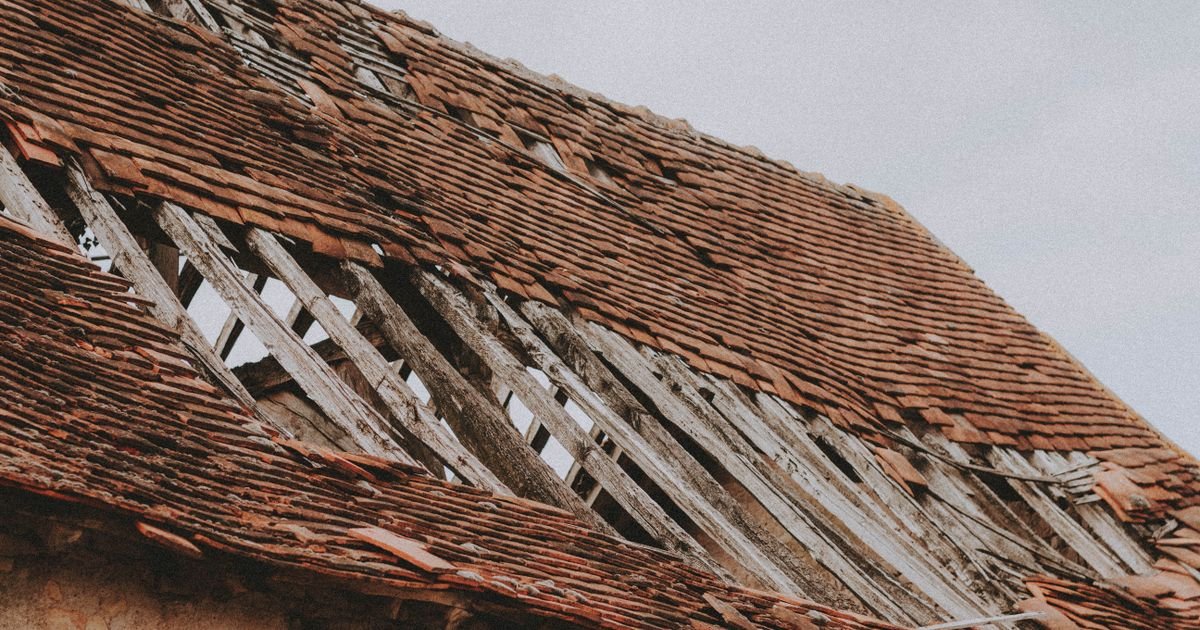
How far the water traveled. This is the cost driver contractors warn about most. Water migrates under membranes, saturates insulation, and rots decking far from the visible leak. Wet insulation must come out; you cannot dry it in place and warranty the result. A thermal scan or core cuts reveal the true boundary of the damage, and every extra square foot of wet insulation adds material and labor.
Roof access. A single story warehouse with a ladder and a parapet is cheap to work on. A downtown building needing a crane, street permits, or after hours work because the business cannot shut down pays a premium before the first patch goes down. Access equipment and logistics can add hundreds to low thousands on their own.
Penetrations and equipment. HVAC curbs, vents, skylights, and pipe penetrations are where commercial roofs leak, and each one is custom flashing work. A roof with 40 penetrations takes far longer to service than a clean open deck, and flashing replacement around a large rooftop unit is a moderate repair all by itself.
Membrane age and condition. Patching a 5 year old TPO roof is straightforward. Patching a 25 year old roof at the end of its life is throwing money at a surface that will fail somewhere else next quarter. Good contractors will tell you when the repair is not worth doing, which leads to the replace decision below.
Emergency and after hours service. A leak discovered during a storm that threatens inventory or operations commands emergency rates. Rapid response within 24 hours is the industry standard for active leaks, and it costs more than scheduled work. Emergency tarping and temporary patches buy time, but the permanent repair still needs a dry window.
Permits and code. Some jurisdictions require permits for repairs above a certain size or value, and any decking replacement can trigger current code requirements for insulation or drainage. Your contractor should flag this before work starts, not on the final invoice.
What a Good Proposal Separates
Commercial roofing proposals are notoriously hard to compare because contractors bundle differently. The clearest way to evaluate bids is to check that each one separates the same five cost buckets:
- Finding the problem: inspection, thermal imaging, or core cuts to map wet areas. This is real work with real cost; a contractor who "includes it free" is burying it in the repair line.
- Accessing the roof: equipment, permits, safety setup, and any after hours premium.
- Repairing the assembly: membrane patch or replacement, flashing work, and insulation replacement, each with quantities.
- Related details: drains, scuppers, pitch pans, and sealants that touch the repair area.
- Restoring the interior: ceiling, drywall, or inventory damage is often a separate trade and a separate number.
When two proposals differ wildly, the difference is almost always in bucket 1 or bucket 5: one contractor scoped the true wet area and the other priced the visible stain, or one included interior restoration and the other did not. Ask every bidder the same question: "How did you determine the boundary of the wet insulation?" The contractor with core cuts or scan images is the one whose number you can trust.
Our roof cost estimator tool can help you sanity check the scale of a project before the bids come in, and if you are budgeting ahead of problems rather than reacting to one, a commercial roof inspection every year or two is the cheapest money in roofing.
Repair vs Replace: the Decision Framework
Every commercial roof reaches a point where repairs stop being investments and start being donations. Three signals mark that point:
More than 25 percent of the roof is wet or failing. At that saturation level, section repairs chase each other around the deck and the cumulative spend approaches re cover or replacement cost without delivering a warrantied system.
The membrane is past its rated life. Modified bitumen and built up roofs typically serve 15 to 20 years with maintenance; single ply systems 20 to 30. Industry experience puts unmaintained roofs at only 10 to 12 years of service, effectively cutting lifespan up to half. Pouring repair money into a roof that is statistically done is the most expensive option on the table.
Repairs exceed roughly half the cost of replacement. This is the standard capital planning rule. A $12,000 repair on a roof that costs $25,000 to replace buys you a patched old roof; the replacement buys you 20 plus years and a manufacturer warranty. Manufacturer guaranteed systems, like GAF's EverGuard TPO assemblies which carry guarantees up to 20 to 35 years depending on the system, change the math further because only a full system installation unlocks that coverage. (See GAF's commercial roofing systems for how guarantee tiers work.)
One middle path deserves mention: a re cover, installing a new membrane over the existing roof after removing wet insulation, typically costs less than full tear off and replacement while delivering a new warrantied surface. It is only viable when the deck is sound and building code allows the added layer.
Maintenance: the Cheapest Line Item
Preventive maintenance is the least exciting and highest return spending in commercial roofing. Annual maintenance contracts typically run $0.05 to $0.15 per square foot, which means $500 to $1,500 a year on a 10,000 square foot roof. That contract routinely includes the twice yearly professional inspections (spring and fall, plus after major storms) that the National Roofing Contractors Association recommends: clearing debris, resealing flashing, checking seams, and catching the $400 problem before it becomes the $4,000 problem.
Buildings that skip maintenance do not save the contract fee. They convert it into premature replacement, years early, at full capital cost. If your roof has no maintenance history, the first professional inspection usually pays for itself in the repair it prevents.
When Water Is Coming In Right Now
Active leaks follow a different playbook than planned repairs:
- Contain first. Move inventory and equipment, place collection containers, and protect electrical systems. Every hour of standing interior water multiplies the restoration bill.
- Tarp or temporarily patch within hours. Emergency roofing contractors offer rapid response for exactly this; the temporary fix stops the bleeding until a permanent repair can be scheduled in dry weather.
- Document everything with photos and video: leak locations, affected areas, damaged inventory. This is your insurance file. Most commercial policies cover sudden membrane breaches from storms, though wear and tear failures are typically excluded.
- Call a commercial roofing contractor, not a residential roofer. The membranes, details, and safety requirements are a different trade. For building owners in our service area, our commercial roofing team handles emergency response and permanent repairs; for leaks affecting any roof type, see our roof leak repair service page for what rapid response includes.
Do not let anyone sell you a full replacement during an emergency visit. Stabilize, document, dry out, then get competing proposals for the permanent scope with a clear head.
Frequently Asked Questions
How much does a commercial roof repair cost? Minor repairs run $300 to $1,250, moderate repairs $1,000 to $3,500, and major section repairs $3,500 to $8,000 or more. Planning ranges of $2 to $10 per square foot of repair area are common in 2026 contractor guidance. Extensive damage with structural involvement can exceed $25,000.
Why do commercial roof repair quotes vary so much? Because contractors scope different boundaries of the damage. One bid prices the visible stain; another includes the wet insulation found by thermal scan two rooms over. Always compare how each bidder determined the repair area, not just the bottom line.
How much does it cost to repair a commercial roof leak? A simple leak patch runs $400 to $1,500 for a small affected area. Leak repairs involving flashing replacement or membrane section restoration run $1,500 to $5,000. The leak's source matters more than its size: flashing failures around HVAC units cost more than open field punctures.
Is it cheaper to repair or replace a commercial roof? Repair is cheaper per incident, but replacement wins when more than about 25 percent of the roof is compromised, the membrane is past its rated life, or cumulative repairs approach half the replacement cost. A re cover can split the difference when the deck is sound.
How long does a commercial roof repair take? Minor patches take a few hours. Moderate repairs run one to two days. Major section work with insulation and decking replacement can take a week or more, weather permitting. Emergency tarping happens the same day.
Does insurance cover commercial roof repairs? Sudden damage from storms, hail, wind, or falling objects is typically covered. Gradual deterioration, ponding from poor drainage, and lack of maintenance are typically excluded. Document damage immediately and review your policy's maintenance requirements before filing.
How often should a commercial roof be inspected? Twice a year, spring and fall, plus after any major storm. That cadence is the industry standard recommendation and the backbone of most maintenance contracts.
Can a commercial roof be repaired in winter? Yes, with caveats. Cold weather complicates adhesive curing and heat welding, and snow hides the damage boundary. Emergency work happens year round; planned repairs are better scheduled for dry, moderate weather when the full scope can be verified.
Budgeting a project? Run the numbers with our roof cost estimator tool, then read what a commercial roof inspection should cover before you hire.