

Most people picture long vertical panels when they hear "metal roof." Metal shingles are the other half of the story: individual interlocking pieces of formed steel, aluminum, copper, or zinc that mimic slate, wood shake, or clay tile while delivering metal durability. From the street, a stone coated steel shingle roof looks like premium shake. Up close, it is metal.
That disguise costs real money. In 2026, a metal shingle roof runs $800 to $1,500 per square installed, with premium metals reaching $2,000 or more per square. On a typical 2,000 square foot home, expect $15,000 to $40,000 for steel, more for aluminum, copper, or zinc. This guide breaks down what each metal costs, what your quote should include, and when metal shingles beat standing seam or asphalt on value.
For the full national picture across every material, see our guide to average roof replacement cost.
Metal Shingle Roof Cost at a Glance
All figures below are installed costs (materials plus labor) from current contractor pricing guides, presented as ranges because quotes vary by region, roof complexity, and contractor.
| Metal | Materials per square | Installed per square | Typical total, 2,000 sq ft home | Lifespan |
|---|---|---|---|---|
| Steel (painted or stone coated) | $300 to $600 | $800 to $1,200 | $15,000 to $40,000 | 30 to 50 years |
| Aluminum | $400 to $700 | $900 to $1,300 | $16,000 to $42,000 | 40 to 60 years |
| Zinc | $600 to $1,000 | $1,200 to $1,800 | $24,000 to $37,000 | 60 to 100 years |
| Copper | $800 to $1,300 | $1,400 to $2,000+ | $26,000 to $56,000+ | 70+ years |
A roofing square equals 100 square feet of roof surface, not floor space. A 2,000 square foot roof is 20 squares before waste and pitch adjustments, which is why per square math is the language contractors quote in.
Steel dominates residential metal shingles. One widely cited steel roofing guide puts steel shingles at about $10.50 per square foot installed, or roughly $17,850 on a 1,700 square foot roof. Stone coated steel, the most popular metal shingle style, sits at the upper end of the steel range because the granule coating and stamping add manufacturing cost.
What Is a Metal Shingle, Exactly
A metal shingle is a small formed metal panel, usually about the footprint of several asphalt shingles, that interlocks or overlaps with its neighbors to shed water. Manufacturers stamp steel or aluminum into profiles that copy traditional materials:
- Shingle profile: a dimensional look close to architectural asphalt shingles
- Shake profile: deep texture that copies hand split cedar shake
- Tile profile: barrel or scalloped curves that copy clay tile
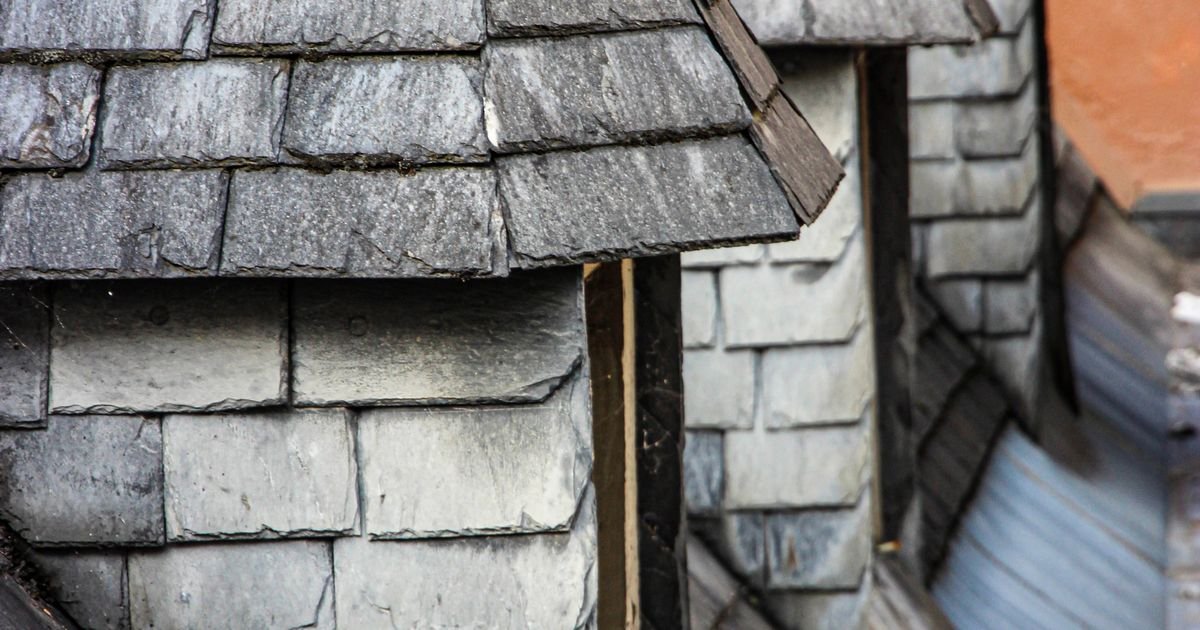
- Slate profile: crisp edges that copy natural slate
The biggest name in the category is DECRA, which pioneered stone coated steel in the 1950s and now sits inside IKO's metal roofing portfolio. The manufacturing recipe: stamp high quality steel sheets into shape, dip them in a zinc aluminum alloy for corrosion resistance, add an acrylic resin layer, then bond natural stone granules to the surface. The granules do three jobs at once: they create the traditional look, deaden rain noise, and shield the coating from UV.
That is the key difference from standing seam. Standing seam shows its metal proudly with long clean lines. Metal shingles hide it. If your neighborhood has an HOA that frowns on obvious metal, metal shingles usually pass where standing seam gets rejected.
What Your Quote Should Include
Metal shingle quotes sometimes look inflated next to asphalt because the line items differ. A complete installed price should cover:
- Tear off and disposal of the old roof, typically $1 to $4 per square foot when itemized separately
- Decking repair if rot or soft spots appear once the old roof comes off
- Underlayment, usually synthetic or high temperature rated, since metal runs hotter than asphalt
- The shingle panels themselves, priced per square
- Trim, flashing, ridge caps, and valleys, which cost more on metal than on asphalt because the pieces are formed, not cut from flat stock
- Labor, which is the heavyweight: roughly 60 percent of a total metal roof project, reflecting the slower, more precise installation
Metal shingles take longer to install than standing seam panels because the crew handles hundreds of small interlocking pieces instead of long sheets. That labor intensity is a real cost driver, and it is also why installer experience matters so much. A rushed crew leaves misaligned interlocks that leak years later. When vetting contractors, the National Roofing Contractors Association is a solid starting point, and you want a crew with specific metal shingle experience, not just standing seam. Professional metal roofing installation by a crew that does this profile regularly is worth paying for.
What Moves the Price Up or Down
The metal itself. Steel is the value play. Aluminum costs more but earns it in coastal air, where salt spray eats bare steel. Copper and zinc are architectural statements with century scale lifespans and price tags to match.
Stone coated vs painted. Stone coated steel (granule surface) generally costs more than painted steel shingles with Kynar style finishes, but it also tends to carry stronger impact ratings. Several stone coated lines carry UL 2218 Class 4 impact ratings, the highest available, which can unlock hail damage insurance discounts in states like Texas and Colorado.
Roof complexity. Valleys, dormers, hips, skylights, and chimneys multiply the formed trim pieces and slow the crew. A simple gable roof can quote 15 to 30 percent less than a cut up roof of the same square footage.
Pitch. Steep roofs slow crews, require safety equipment, and waste more material on cuts. Expect a meaningful premium past a 7/12 or 8/12 pitch.
Tear off layers. Two existing layers cost more to remove than one, and some jurisdictions cap overlays. Overlaying metal shingles over old asphalt is sometimes possible and saves tear off cost, but it needs a sound deck, code approval, and a contractor willing to warranty it. Never assume it is allowed.
Your region. Labor is the swing factor. Coastal metros, high cost states, and areas with few metal experienced crews quote at the top of every range in this guide.
Metal Shingles vs Standing Seam vs Asphalt: the Value Math
Upfront, the ranking is simple: asphalt shingles cheapest, metal shingles and standing seam in the same premium band, with standing seam steel often quoting slightly higher per square foot than steel shingles.
The honest comparison is cost per year of service:
- Architectural asphalt: roughly $8,000 to $18,000 installed on a 2,000 square foot home, lasting 20 to 30 years. That is $270 to $900 per year of roof, plus eventual replacement labor all over again.
- Steel shingles: roughly $16,000 to $36,000 installed, lasting 30 to 50 years. That is $320 to $1,200 per year, with far less maintenance in between.
- Standing seam steel: roughly $18,000 to $32,000 installed, lasting 40 to 70 years. That is $260 to $800 per year.
Metal shingles win the value argument against asphalt when you plan to own the home 15 years or more, live where hail or wind punishes asphalt, or want the traditional look without the short life. Standing seam wins on pure longevity per dollar and on low slope roofs, where interlocking shingles are not recommended. For the full side by side on every metal profile, read our cost of metal roof guide and our steel roof vs shingle cost comparison.
The Brands That Matter
The metal shingle market is smaller than the asphalt world, and brand choice affects both price and warranty:
- DECRA (by IKO): the originator of stone coated steel, with shingle, shake, and tile profiles. Current lines carry Class 4 impact ratings and Class A fire ratings, with wind coverage up to 120 mph and limited lifetime warranties. Premium pricing, typically 15 to 25 percent above smaller stone coated brands.
- Metro and Gerard: established stone coated steel makers with broad color ranges and competitive pricing against DECRA.
- Classic Metal Roofing Systems: painted aluminum shingle systems known for lifetime warranties and deep shake and slate profiles.
Expect the brand to move your quote 10 to 25 percent within the same metal. Premium brands justify it with thicker steel (24 gauge vs 26 gauge), stronger granule adhesion, and longer coating warranties, often 30 years against fade and chalk.
Energy Savings: Real but Modest
Metal reflects solar heat better than asphalt, and the US Department of Energy's cool roof guidance notes that light colored painted metal roofs with high solar reflectance can meaningfully cut cooling load in hot climates. Stone coated shingles reflect less than smooth painted metal because the granule texture scatters light, so energy savings sit between asphalt and standing seam. In practice, homeowners in hot states like Texas, Florida, and Arizona report the most noticeable summer cooling benefit. Do not let a contractor sell the roof on energy payback alone; buy it for lifespan and storm performance, and treat lower AC bills as a bonus. The federal guidance on what makes a roof "cool" is worth a read at energy.gov before you pick a color.
Pros and Cons of Metal Shingles
Pros:
- Lifespan 2 to 3 times asphalt. Steel shingles realistically serve 30 to 50 years; aluminum, copper, and zinc go further.
- Traditional appearance. The only metal roof that routinely satisfies strict HOAs.
- Storm performance. Interlocking designs and 120 mph wind ratings on premium lines; Class 4 impact ratings available for hail zones.
- Fire resistance. Class A fire ratings are standard, a genuine advantage in wildfire prone regions.
- Low maintenance. No granule loss, no curling, no moss the way asphalt ages.
Cons:
- High upfront cost. Two to four times an asphalt shingle roof on day one.
- Installer dependent. A mediocre crew can ruin a premium product; the labor pool is thinner than for asphalt or even standing seam.
- Repairs are specialist work. Matching discontinued profiles years later can be difficult, so buy from an established brand.
- Denting. Hail that would bruise asphalt can dent steel shingles cosmetically, even when the roof still sheds water fine. Class 4 rated products resist this best.
Is a Metal Shingle Roof Worth It
Buy metal shingles when at least two of these are true: you plan to own the home 15 plus years, you live in a hail or high wind region, your HOA restricts visible metal, or you want a slate or shake look with a fraction of the weight and maintenance. Stone coated steel weighs far less than real tile or slate, which matters on homes whose framing was never engineered for heavyweight roofing.
Skip metal shingles when the budget is tight and the timeline is short. A quality architectural shingle roof at a third of the price is the rational choice if you will sell within 10 years, since you will not own the roof long enough to collect the lifespan dividend. For a full residential roofing assessment of which material fits your home and timeline, get an inspection before you fall in love with a brochure.
Frequently Asked Questions
How long do metal shingle roofs last? Steel shingle roofs last 30 to 50 years, aluminum 40 to 60, zinc 60 to 100, and copper 70 plus. Premium stone coated steel lines back this with 50 year limited material warranties. Actual life depends on installation quality, climate, and whether the steel substrate stays protected from corrosion.
Are metal shingles more expensive than standing seam? Usually slightly less, not more. Steel shingles install at $800 to $1,200 per square ($8 to $12 per square foot), while standing seam steel typically runs $10 to $16 per square foot installed. The gap narrows on complex roofs, where both need extensive custom trim work. Our standing seam metal roof price guide has the full breakdown.
Do metal shingles look like a real metal roof? That is the point: they do not. Stone coated profiles copy slate, shake, and tile closely enough that most passersby never guess the roof is steel. If you want the modern metal look, standing seam is the honest choice.
Can metal shingles go over existing shingles? Sometimes. A single layer of old asphalt over a sound deck can accept a metal shingle overlay in jurisdictions that allow it, saving tear off cost. Two existing layers, damaged decking, or local code restrictions rule it out. Always confirm with your contractor and local building department first.
Do metal shingle roofs qualify for insurance discounts? Products with a UL 2218 Class 4 impact rating often qualify for hail damage discounts with insurers in hail prone states. Ask your agent specifically about Class 4 discounts before you buy, and keep the product's rating documentation.
Are metal shingle roofs loud in the rain? Stone coated shingles are among the quietest metal roofs because the granule surface breaks up rain impact, and the assembly sits over solid decking and underlayment. Most homeowners report noise comparable to asphalt. Painted metal shingles over open framing are louder, but that is rare in residential work.
What maintenance does a metal shingle roof need? Very little: keep valleys and gutters clear, get a professional inspection every couple of years, and have any lifted flashing or accessory trim refastened promptly. Avoid walking on the roof unnecessarily, since concentrated foot traffic can deform panels.
Stone coated vs painted metal shingles: which is better? Stone coated wins on traditional appearance, rain noise, and impact ratings. Painted metal shingles (Kynar style finishes) win on color selection and slightly lower cost. Both outlast asphalt by decades when installed correctly.
Pricing a roof this year? Start with our average roof replacement cost guide for national benchmarks, then compare metal roof vs shingle roof costs before you commit.