

If a roofer, an insurance adjuster, or a home inspector has ever said your home has a composition roof, they were almost certainly talking about the most common roof in the United States. A composition roof is a roof covered in composition shingles, which are asphalt shingles made by combining several materials into one product. The name comes from that combination. It is not a separate exotic material. It is the standard asphalt shingle roof you see on most suburban streets, described by its construction rather than by its main ingredient.
That naming confusion causes real problems. Homeowners hear “composition” on an insurance claim and wonder whether they have something unusual. Buyers read “composition shingles” on a listing and wonder whether it is better or worse than asphalt shingles. The short answer is that the terms describe the same roof. “Asphalt shingle” names the waterproofing ingredient. “Composition shingle” names the fact that the shingle is composed of layers. Understanding those layers, and the three main types built from them, is what lets you judge cost, lifespan, and quality.
What a Composition Shingle Is Made Of
A modern composition shingle has three main layers, each with a job.
Fiberglass mat. The base of the shingle is a thin mat of fiberglass fibers. It gives the shingle its shape and strength without absorbing water the way older organic felt mats did. Fiberglass also improves fire resistance, which is one reason most modern composition shingles carry a Class A fire rating, the highest available.
Asphalt coating. The mat is saturated and coated with asphalt, often blended with mineral fillers. Asphalt is the waterproofing layer. It seals the roof surface, holds the granules in place, and gives the shingle its weight and flexibility.
Mineral granules. The visible top layer is made of ceramic coated mineral granules pressed into the asphalt. Granules give the shingle its color, but their more important job is protection. They shield the asphalt from ultraviolet light, which would otherwise bake and crack it within months. Some granules also resist algae growth, which prevents the black streaks that age many roofs prematurely.
Manufacturers vary this formula to create shingles that reflect more solar heat, resist algae, withstand higher winds, or mimic the look of cedar shake and natural slate. The basic construction stays the same. What changes is thickness, granule quality, asphalt formulation, and the number of layers.
The Three Types of Composition Shingles
Not all composition shingles are equal. They fall into three broad types, and the differences in price and lifespan are large.
3 tab shingles. The entry level option, and the flattest in appearance. A 3 tab shingle is a single layer cut into three tabs, giving a uniform, repetitive pattern. They cost the least and weigh the least, and they typically last 15 to 20 years in practice, though some are rated longer. They suit budget projects, rental properties, and roofs where appearance is not a priority. Their flat look and lower wind resistance are the trade offs.
Architectural shingles. Also called dimensional or laminate shingles, these are the most popular choice in the United States today. They use two or more layers laminated together, creating depth, shadow lines, and a more substantial appearance. They typically last 25 to 30 years, resist wind better than 3 tab shingles, and come in a wide range of colors. For most homeowners, architectural shingles are the sweet spot of looks, lifespan, and cost. Our comparison of asphalt vs architectural shingles explains the difference in depth and performance.
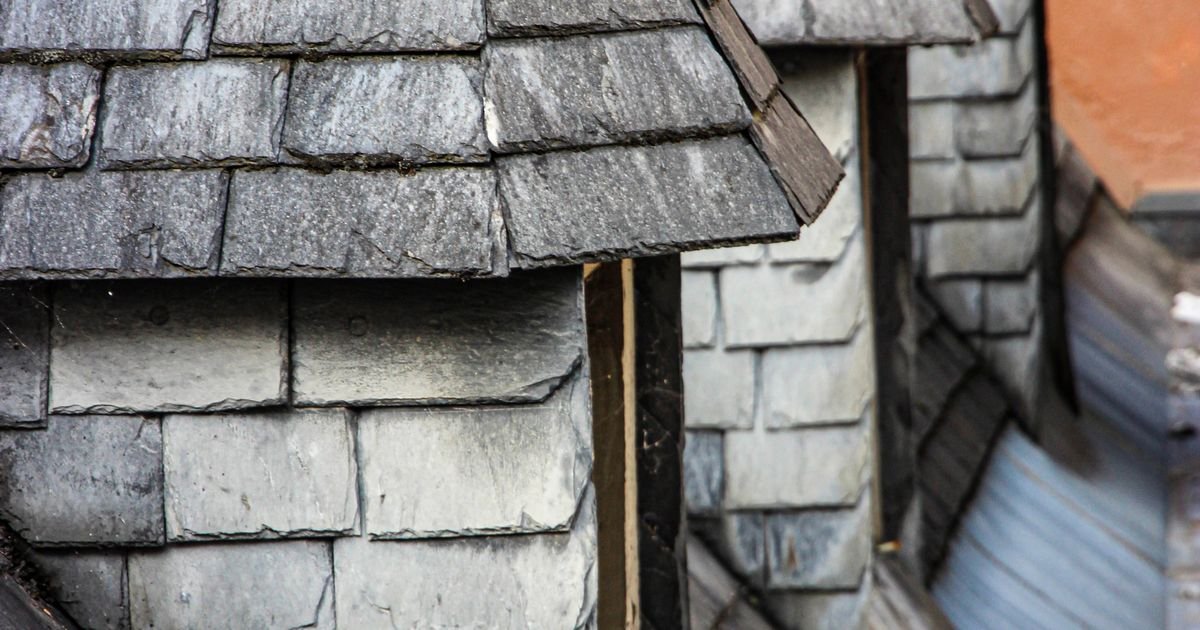
Luxury and designer shingles. The premium tier, built thicker and heavier to mimic natural slate or cedar shake. Designer shingles offer the richest color variation and the most distinctive appearance among asphalt options, and they can last 30 years or more with proper installation and maintenance. They cost substantially more than architectural shingles, and they make the most sense on higher end homes or homes where the roof is highly visible from the street. Our guides to Grand Manor shingles and CertainTeed Presidential shingles cover two of the best known designer lines.
| Shingle Type | Typical Lifespan | Appearance | Best For |
|---|---|---|---|
| 3 tab | 15 to 20 years | Flat, uniform | Budget projects and rentals |
| Architectural | 25 to 30 years | Dimensional, shadow lines | Most homes, best overall value |
| Luxury and designer | 30 years or more | Slate or cedar look | High end homes, visible roofs |
These lifespans assume proper installation, adequate ventilation, and normal maintenance. A poorly ventilated roof, a roof in extreme heat, or a roof installed over damaged decking will fail early no matter which type you choose.
Composition Roof vs Composite Roof
This is the second confusion worth clearing up, because the two terms sound almost identical and describe different products.
A composition roof is an asphalt shingle roof, as described above. A composite roof, sometimes called a synthetic roof, is made from engineered materials such as recycled polymers, plastics, or rubber, designed to imitate slate or cedar shake. Composite shingles contain no asphalt mat in the same way, and they are a different product category with different pricing and installation requirements.
If a contractor quotes you a composite roof, ask which material they mean and get the product name in writing. If an insurance claim says composition shingles, it almost always means standard asphalt shingles. The distinction matters for cost, because composite slate and shake alternatives typically cost far more than architectural asphalt shingles. Our guide to different types of roofing materials compares asphalt, metal, tile, and composite options side by side.
How Much a Composition Roof Costs
Published industry averages put a professionally installed composition roof at about $3.50 to $5.50 per square foot, depending on shingle type, roof complexity, location, and labor rates. A simple roof with 3 tab shingles sits at the low end. A complex roof with designer shingles, steep slopes, multiple valleys, and skylights sits well above it.
For a typical 2,000 square foot roof, that range translates to roughly $7,000 to $11,000 for a basic installation, and substantially more for architectural or designer shingles on a complex roof. These are planning ranges, not quotes. Roof size is measured by roof area, not by house floor area, and steep or cut up roofs cost more per square foot than simple gable roofs.
Get itemized quotes that name the shingle product, the underlayment, the ventilation work, and the flashing details. Two quotes for a “composition roof” can describe very different jobs if one uses 3 tab shingles and reused flashing while the other uses architectural shingles and new flashing throughout. For a broader cost picture, our guide to average roof replacement cost breaks down what drives total price.
Pros and Cons of a Composition Roof
Pros. Composition roofs are affordable, widely available, and easy to install and repair. Almost every roofer installs them, replacement shingles are easy to source, and colors and styles suit nearly any home. They also offer strong fire resistance, with most fiberglass based shingles carrying a Class A rating, and many architectural products carry wind ratings of 110 to 130 miles per hour or more when installed to manufacturer specifications. For the best wind performance, follow the nailing pattern and starter details published by the manufacturer, such as GAF or CertainTeed.
Cons. Composition roofs do not last as long as metal, tile, or slate. A 25 to 30 year lifespan is good for the price, but it is far shorter than a metal roof that can last 40 to 70 years. Composition shingles can also suffer granule loss, algae streaking on non resistant products, and wind damage in severe storms. They are heavier than they look, and a roof with two existing layers may need a full tear off before new shingles go on, which adds cost.
For most homeowners, the pros win. The combination of low upfront cost, broad installer availability, and acceptable lifespan is why composition roofs dominate the US market. The honest trade off is that you will replace a composition roof at least once in a long ownership, while a metal or tile roof might outlast your time in the home.
How Long a Composition Roof Lasts and How to Make It Last Longer
Most fiberglass based composition roofs last 20 to 30 years. Architectural shingles sit at the upper end of that range, 3 tab shingles at the lower end, and designer shingles can exceed it. Climate matters. Intense sun, frequent hail, and poor ventilation shorten life. Mild climates with good ventilation extend it.
Three practices protect lifespan more than any product upgrade. First, ensure proper attic ventilation, because trapped heat cooks shingles from below and voids some warranties. Second, keep gutters clear and valleys free of debris, because standing water and trapped leaves accelerate granule loss. Third, fix small damage promptly. A few missing shingles after a storm are a cheap repair. Left alone, they become a leak, then deck damage, then a far larger bill.
If your roof is approaching the end of its expected life, or if you are deciding between repair and replacement, our residential roofing service can assess the remaining life of your current roof, and our shingle roofing service covers replacement options by shingle type.
Is a Composition Roof Right for Your Home
A composition roof is the right default choice for most homes. It is affordable, proven, and easy to maintain, and it suits nearly every architectural style in a neutral color. Choose architectural shingles unless budget forces 3 tab shingles, specify algae resistant granules if your area streaks, and confirm the wind rating fits your storm exposure.
Consider a different material only when you have a specific reason. Metal makes sense when you want a 40 year plus lifespan and a modern look. Tile or slate makes sense for a Mediterranean or historic home in a suitable climate and budget. Composite slate or shake makes sense when you want the natural look without the weight and fragility of the real material. For everyone else, a well installed architectural composition roof, with proper ventilation and flashing, is a sound investment that will serve the home for decades.
Frequently Asked Questions
What is a composition roof in simple terms? A composition roof is an asphalt shingle roof. The shingles are made by combining a fiberglass mat, an asphalt coating, and mineral granules into one product, which is why they are called composition shingles.
Are composition shingles the same as asphalt shingles? Yes. The terms describe the same product from different angles. Asphalt names the waterproofing ingredient, composition names the layered construction.
What is the difference between composition and composite shingles? Composition shingles are asphalt based. Composite shingles are synthetic products made from polymers or recycled materials that imitate slate or cedar shake. They are different categories with different prices.
How long does a composition roof last? Most composition roofs last 20 to 30 years. Architectural shingles typically reach 25 to 30 years, 3 tab shingles 15 to 20 years, and designer shingles 30 years or more, with proper installation and ventilation.
How much does a composition roof cost? Industry averages put professional installation at about $3.50 to $5.50 per square foot, depending on shingle type, roof complexity, and location. A typical 2,000 square foot roof therefore ranges roughly from $7,000 to $11,000 for a basic installation, and more for premium shingles.
What are the three types of composition shingles? 3 tab shingles, architectural shingles, and luxury or designer shingles. They differ in layers, appearance, lifespan, and price.
Do composition roofs have good fire resistance? Yes. Most modern fiberglass based composition shingles carry a Class A fire rating, the highest available for roofing materials.
When should a composition roof be replaced instead of repaired? When shingles are curling, cracking, or losing granules across large areas, when the roof is past its expected lifespan, or when leaks have damaged the decking. Isolated storm damage on a younger roof is usually a repair.
Choosing shingles? Compare options in our guides to asphalt vs architectural shingles and different types of roofing materials, or get an assessment through our residential roofing service.