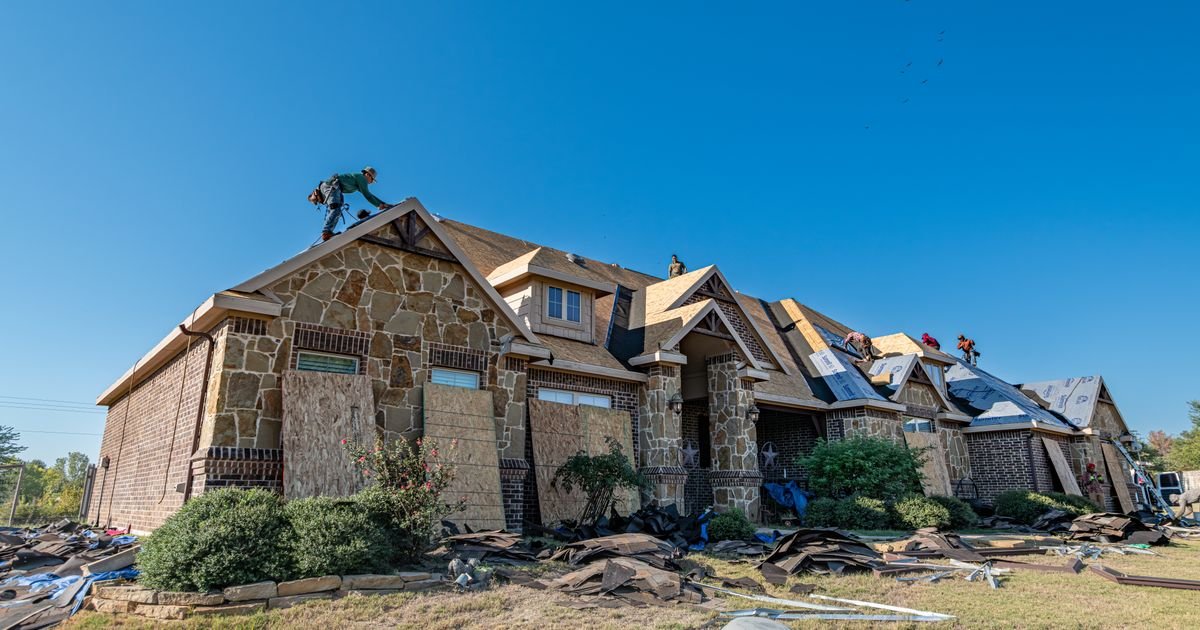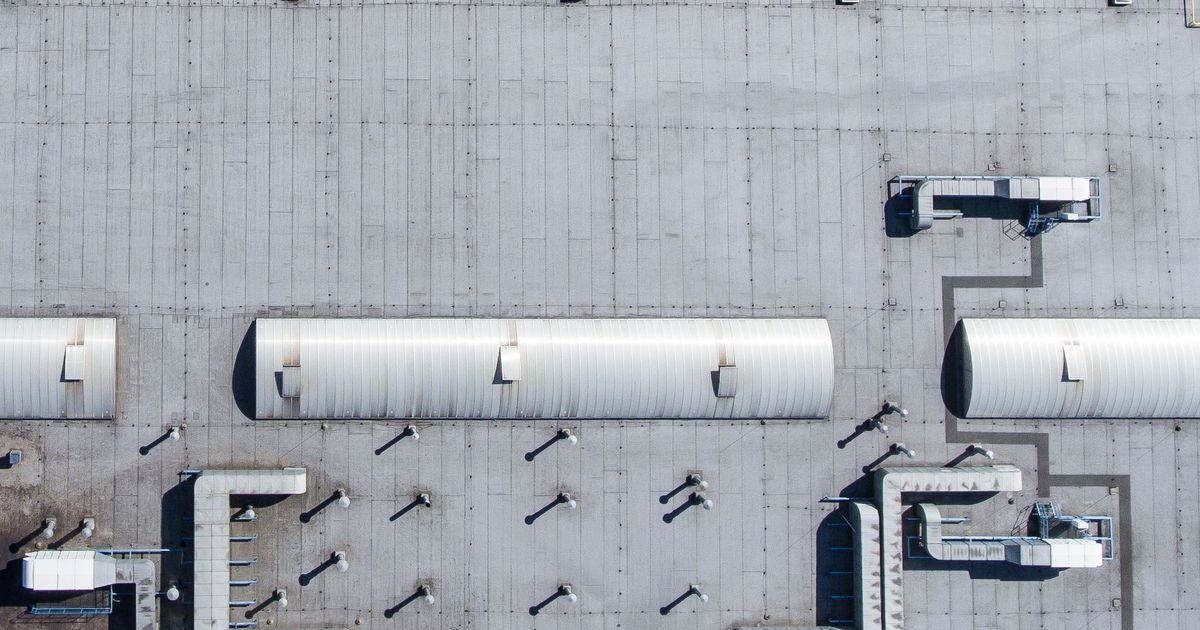


A commercial roof is not a bigger version of a house roof. It is a different job, with flat or low slope systems, large areas, drainage design, code requirements, and business operations underneath it. A residential roofer who does excellent shingle work may have no experience with a membrane system, and that gap shows up later as leaks, ponding water, and warranty disputes.
Choosing well matters because the cost of getting it wrong is high. A failed commercial roof interrupts tenants, damages inventory and equipment, and can force a second installation years early. The cheapest bid often looks attractive for exactly the wrong reasons. It may leave out insulation, flashing, drainage work, or warranty coverage that a complete bid includes.
This guide gives you a practical way to choose. Work through it in order, verify documents instead of taking claims at face value, and compare bids on scope rather than on price alone. If your project is a small residential shingle job rather than a commercial system, the hiring questions still apply, but the installation itself is a different craft, covered in our guide to how to shingle a roof.
Start With Commercial Experience, Not General Roofing Experience
The first filter is simple. Ask whether the contractor regularly installs the system your building needs. Commercial systems include TPO, EPDM, PVC, modified bitumen, built up roofing, coatings, and commercial metal. Each one has its own details for seams, flashing, drainage, and penetrations. A contractor who installs one system well may not install another well at all.
Ask for recent projects that match yours in size and building type. A warehouse, a retail strip, a school, and a medical office present different problems, from rooftop equipment and foot traffic to occupied space rules and inspection schedules. Ask how many commercial projects the company completed in the past year, and ask to see photos and references from at least three of them.
If you are weighing a membrane system, our guide to what is TPO roofing explains how that system works and where it fits. If the building already has a commercial roof that needs repair rather than replacement, our commercial roofing service page covers inspection and repair options for flat and low slope roofs.
References deserve a phone call, not just a list. Ask past clients whether the job finished on schedule, whether the crew protected the building interior, how change orders were handled, and whether the contractor returned for warranty issues. One unhappy reference with a clear story tells you more than ten five star reviews with no detail.
Verify Licenses, Insurance, and Manufacturer Certification
Never skip this step, even when a contractor comes recommended. Licensing rules vary by state and city, and in some states roofing has no statewide license at all. In those places, look for local registration, trade association membership, and manufacturer certification as evidence of standing.
Ask for certificates of insurance directly from the insurer, not just a copy handed over by the contractor. A commercial contractor should carry general liability insurance and workers compensation insurance, and larger projects may also require an umbrella policy. Check that coverage amounts fit the value of your property and that the policy is current for the full project period.
Manufacturer certification matters more in commercial work than many owners expect. Certified installers are trained on a specific system, and certification is often what makes an enhanced manufacturer warranty available. Ask which manufacturers the contractor is certified for, and whether the warranty you are being offered is a manufacturer warranty, a contractor workmanship warranty, or both. Get that answer in writing, because the two warranties cover different failures.
For background on industry credentials, the National Roofing Contractors Association publishes guidance on contractor qualifications and training. For jobsite safety rules that a legitimate contractor should already follow, the Occupational Safety and Health Administration sets the federal standards at OSHA.
Judge Safety Before You Judge Price
Commercial roofing is high risk work. Crews work at height, around heavy materials, near rooftop equipment, and sometimes above occupied space. A contractor with weak safety practices puts your building, your people, and your liability at risk.
Ask for a written safety program and ask who supervises safety on site. Ask how the crew protects roof edges, manages fall protection, controls debris, and keeps building occupants safe below. Ask what happens in bad weather, and who has authority to stop work. Vague answers here are a warning sign. A professional contractor answers these questions without hesitation, because safety planning is part of every commercial bid.
Also ask how the contractor protects your building during the job. A roof tear off exposes the interior, so phasing, temporary waterproofing, and daily cleanup matter. Ask whether the crew seals the roof every night, how they handle a sudden storm, and how they protect rooftop equipment and skylights. The best bid is the one that keeps your business dry while the work goes on.
Compare Bids on Scope, Not on the Bottom Line
Get at least three detailed written proposals. A useful proposal names the system, the membrane thickness, the insulation type and thickness, the attachment method, the flashing details, the drainage work, and the warranty terms. It also states what is excluded, such as deck repair, structural work, or rooftop equipment moves.
When bids differ sharply in price, the difference almost always sits in scope. One bid may include new insulation and tapered insulation for drainage while another reuses old insulation and leaves ponding water in place. One may include full flashing replacement while another reuses old flashing. One may include a 20 year manufacturer warranty while another offers only a short workmanship warranty. Comparing bottom lines without comparing scope is how owners choose the cheapest roof and pay for it twice.
Ask every bidder the same questions, and ask for a line item breakdown where costs differ. Ask about deck repair pricing before work starts, so a rotten deck does not become an open ended change order. Ask how change orders are priced and approved. Ask for a written schedule with start date, phasing, and completion date, and ask what happens if weather delays the job.
Our guide to types of roofing warranties explains the difference between manufacturer and workmanship coverage, and it is worth reading before you compare warranty pages across bids.
Read the Warranty Like a Contract, Because It Is One
Warranties are where commercial roofing disputes usually live. Read the full warranty document, not just the headline number of years. A 20 year warranty that excludes ponding water, foot traffic damage, or rooftop equipment work may cover far less than a shorter warranty with broader terms.
Check who backs the warranty. A manufacturer warranty is only as strong as the manufacturer and the installation that qualifies for it. A contractor workmanship warranty depends on the contractor staying in business and honoring callbacks. Ideally you want both, with clear terms for who to call, how fast they respond, and what counts as a covered failure.
Ask whether the warranty requires regular maintenance or inspections, and what voids it. Many commercial warranties require documented inspections and prompt repairs. If your building team cannot meet those terms, a warranty that looks strong on paper may not protect you in practice. Our different types of roofing materials guide can help you compare system lifespans before you commit to a warranty length that assumes a longer life than the system delivers.
Watch for Red Flags
Some signs should stop a hire, no matter how good the price looks. A contractor who demands full payment upfront, who will not provide insurance certificates, who has no commercial references, or who pressures you to sign the same day is not a bargain. A bid with no system name, no membrane thickness, no insulation detail, and no warranty document is not a bid. It is a guess.
Other warning signs are subtler. A contractor who dismisses drainage problems, who proposes a coating over a saturated roof without moisture testing, or who cannot explain why they chose one system over another may be selling what they stock rather than what your building needs. A good contractor explains the trade offs between systems, including cost, lifespan, energy performance, and maintenance, and then lets you decide.
Storm chasing is a special caution. After a major storm, out of town crews appear quickly and disappear just as fast. Local contractors with a real address, a local reputation, and a history of warranty service are far safer for a building you will own for years.
Questions to Ask Every Commercial Roofer
Use this short list in every interview. The answers, and how confidently they are given, will separate strong contractors from weak ones quickly.
- How many commercial roofs like mine have you completed in the past two years?
- Which manufacturers certify you for this system, and what warranty does that certification support?
- Can you provide insurance certificates directly from your insurer, and what are your coverage limits?
- Who supervises safety on site, and what is your written safety program?
- What exactly does your bid include and exclude, including insulation, flashing, drainage, and deck repair?
- How do you phase the work and waterproof the building each night?
- What does the warranty cover, who backs it, and what maintenance does it require?
- Can I call three recent commercial clients, and can I visit a completed project?
A contractor who answers all eight clearly is worth a closer look. A contractor who dodges more than one is telling you something, even if the bid is low.
The Bottom Line
Choosing a good commercial roofing contractor is a verification exercise, not a price contest. Confirm commercial experience with your system, verify insurance and certification, judge safety and communication, and compare detailed bids on scope and warranty rather than on the bottom line alone. That process takes a few extra days, and it protects an asset that should serve your building for decades.
If you need a commercial roof inspected, repaired, or replaced, start with our commercial roofing service for an itemized assessment, or compare systems in our guide to what is TPO roofing before you invite bids. A contractor who welcomes detailed questions, documents every claim, and puts scope and warranty in writing is the contractor worth hiring.
Frequently Asked Questions
How many bids should I get for a commercial roof? Get at least three detailed written bids. Three bids let you compare scope, system, warranty, and price, and they expose any bid that leaves out major work.
Do I need a contractor who specializes in commercial roofing? Yes. Commercial flat and low slope systems, drainage, and safety requirements differ sharply from residential shingle work. Ask for recent commercial projects that match your building type and system.
What insurance should a commercial roofing contractor carry? At minimum, general liability insurance and workers compensation insurance, with limits that fit your property value. Ask for certificates directly from the insurer and confirm they are current.
What is the difference between a manufacturer warranty and a workmanship warranty? A manufacturer warranty covers the roofing materials and, in enhanced versions, aspects of the installation. A workmanship warranty covers installation errors by the contractor. A strong commercial project usually has both, in writing.
Should I choose the lowest commercial roofing bid? Only if the scope matches. Low bids often exclude insulation, flashing, drainage work, or warranty coverage that complete bids include. Compare line items before comparing totals.
How do I check a commercial roofing contractor’s reputation? Read reviews, but also call at least three recent commercial references and ask about schedule, protection of the interior, change orders, and warranty callbacks. Visit a completed project if you can.
What should a commercial roofing proposal include? The system name, membrane thickness, insulation type and thickness, attachment method, flashing and drainage details, warranty terms, exclusions, schedule, and change order pricing.
Do commercial roof warranties require maintenance? Many do. Read the warranty terms for required inspections and prompt repairs, and confirm your building team can meet them, or the warranty may not protect you when you need it.
Comparing commercial systems? Read our guides to what is TPO roofing and types of roofing warranties, or request an assessment through our commercial roofing service.