
If you drive through almost any American suburb, most of the roofs you see are asphalt shingle roofs. That dominance is not an accident and it is not just about price. Asphalt shingles are affordable, available everywhere, easy to repair, and good enough for the vast majority of homes. But "asphalt shingle roof" covers a wide range, from a basic 3 tab roof that lasts 15 years to a luxury architectural roof that lasts 40 or more, and the difference between those roofs is thousands of dollars and decades of service.
This guide covers the whole system, not just the shingle on top: what an asphalt shingle roof is made of, what each shingle type costs installed, how long each type really lasts, where asphalt performs well and where it does not, and how to tell when your roof needs repair or full replacement. For the material itself in depth, see our asphalt roof pillar guide.
What an Asphalt Shingle Roof Actually Is
An asphalt shingle roof is a system of layers working together, and the shingle you see is only the top one. Understanding the layers explains why two quotes for the "same" shingle roof can differ by thousands of dollars.
The roof deck, usually plywood or oriented strand board, forms the structural base. Over the deck goes underlayment, a water resistant barrier that protects the deck if wind driven rain gets under a shingle. In valleys, around penetrations, and along eaves in cold climates, roofers add ice and water shield, a self sealing membrane that guards the most leak prone areas.
Starter strips run along the eaves and rakes to seal the first course of shingles against wind uplift. Field shingles cover the main roof planes. Hip and ridge caps, thicker folded shingles made for the job, protect the peaks where two planes meet. Flashing, thin metal pieces around chimneys, walls, skylights, and vents, directs water away from joints. Ventilation, through ridge vents, soffit vents, or both, moves air through the attic and keeps the roof deck and shingles from overheating.
A quote that skips underlayment upgrades, reuses old flashing, or ignores ventilation is not the same roof as a quote that includes them, even if both name the same shingle. When comparing quotes, compare the full system, layer by layer, not just the shingle brand on the first line.
The Three Types of Asphalt Shingles
All asphalt shingles share a fiberglass mat, asphalt coating, and mineral granules, but they differ in build, weight, and performance.
3 tab shingles are the original: single layer, flat, cut into three tabs, weighing 200 to 250 pounds per square. They are the cheapest asphalt option, with a wind rating around 60 to 70 miles per hour and a realistic lifespan of 15 to 20 years.
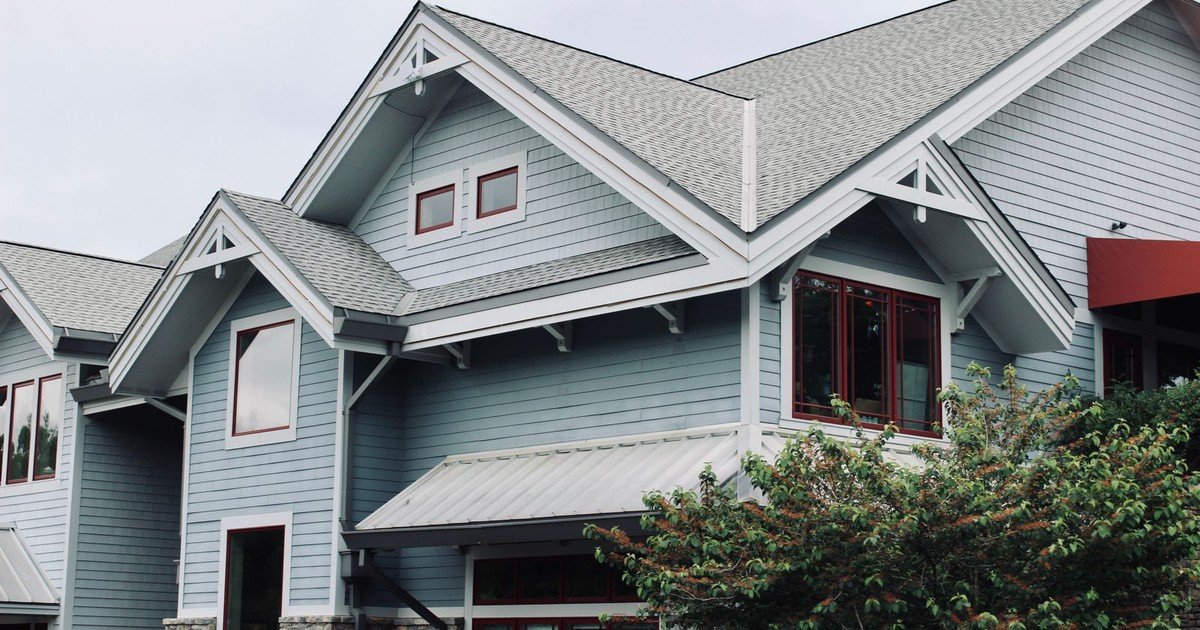
Architectural shingles, also called dimensional or laminate shingles, bond multiple layers into a thicker, textured shingle weighing 280 to 400 pounds per square. They carry wind ratings of 110 to 130 miles per hour, last 25 to 30 years in real world conditions, and dominate new residential roofing because they balance cost, durability, and appearance better than any other asphalt type.
Luxury shingles are the top tier of asphalt: extra thick, sculpted profiles designed to mimic natural slate or cedar shake. They weigh the most, cost the most, and can last 30 to 50 years, but they are primarily a design choice for homes where appearance justifies the premium.
Impact resistant shingles cut across these types. A Class 4 impact resistant architectural shingle is tested against hail impact and may earn insurance discounts in hail prone states. Not every architectural shingle carries this rating, so if hail matters where you live, ask for the Class 4 rating by name.
For a detailed comparison of the two most common types, read our guide to 3 tab shingles vs architectural shingles.
How Much Does an Asphalt Shingle Roof Cost in 2026
Installed cost depends on shingle type, roof size, pitch, complexity, tear off, and local labor rates, so treat every figure below as a range that varies by region and contractor, not a fixed quote.
| Shingle type | Installed cost per square foot | Typical total for a 2,000 square foot roof |
|---|---|---|
| 3 tab asphalt | 3.50 to 5.50 dollars | 7,000 to 11,000 dollars |
| Architectural asphalt | 4.50 to 7.00 dollars | 9,000 to 14,000 dollars |
| Impact resistant architectural | 5.50 to 7.50 dollars | 11,000 to 15,000 dollars |
| Luxury asphalt | 7.00 dollars and up | 14,000 dollars and up |
Material cost alone tells a smaller story: 3 tab materials run roughly 80 to 120 dollars per square, architectural materials roughly 100 to 180 dollars per square, and luxury materials 250 dollars or more per square. The rest of any quote is labor, tear off and disposal of the old roof, underlayment, flashing, ridge caps, permits, and ventilation work. A steep roof, a roof with many valleys, dormers, or skylights, or a roof that needs deck repairs will land at the high end of any range.
Two cost traps deserve attention. First, a quote that seems far below the ranges above often omits tear off, underlayment, or flashing replacement, and those omissions surface later as change orders. Second, layering a new roof over an old one saves tear off cost but adds weight, hides deck damage, and can void manufacturer warranties, so most reputable roofers recommend a full tear off for a roof at the end of its life. Get at least three itemized quotes that name the exact shingle line and list each system component separately.
For a deeper breakdown of material pricing, see our guide to roofing shingles prices.
How Long Does an Asphalt Shingle Roof Last
Warranty length and real lifespan are different numbers, and confusing them is the most common disappointment in roofing. A "lifetime" warranty on an architectural shingle does not mean the roof lasts forever; it means the manufacturer's coverage is tied to ownership, usually with full coverage for an initial period and prorated coverage after that.
| Shingle type | Typical warranty | Realistic lifespan |
|---|---|---|
| 3 tab asphalt | 25 years | 15 to 20 years |
| Architectural asphalt | 30 to 50 years, often limited lifetime | 25 to 30 years |
| Luxury asphalt | Limited lifetime | 30 to 50 years |
| Impact resistant architectural | Limited lifetime, Class 4 rated | 30 to 40 years |
What moves a roof within or beyond its range is mostly installation and ventilation. A roof installed with too few nails, nails placed outside the nailing zone, or missing starter strips will fail early no matter what the box promises. An attic without enough intake and exhaust ventilation traps heat that bakes shingles from below, accelerates granule loss, and can cut years off the roof. Climate does the rest: intense sun, freeze and thaw cycles, hail, and coastal salt air all age asphalt faster than a mild inland climate does.
Maintenance is the factor homeowners control most directly. A roof inspected twice a year and after major storms, with gutters kept clear, overhanging branches trimmed, and damaged shingles replaced promptly, will outlast an identical roof that is ignored until it leaks. Algae resistant granules, now standard on many architectural lines, also help in humid and shaded areas by slowing the black streaking that ages a roof's appearance.
Pros and Cons of Asphalt Shingle Roofs
The case for asphalt is strong, which is why it remains the default choice across the United States. It is affordable: no other mainstream roofing material matches asphalt on installed cost. It is versatile: dozens of colors and profiles suit almost any house style, from a modest ranch to a colonial revival. It is easy to install and repair: most roofers stock asphalt shingles, individual damaged shingles can be replaced without disturbing the whole roof, and matching colors is usually possible for years after installation. It performs well on the pitched roofs that most homes have, with good wind and fire ratings when installed as a complete system.
The case against asphalt is equally real. Lifespan is the main weakness: even a good architectural roof lasts 25 to 30 years, while metal can last 40 to 70 years and tile or slate far longer, so an asphalt roof is a purchase you will repeat. Asphalt is also vulnerable to extreme weather: hail cracks it, sustained high winds lift it, and intense heat ages it faster than metal or tile. It is heavier than it looks, especially in architectural and luxury weights, and it is a petroleum based product, so it is less recyclable and less environmentally friendly than metal, although recycling programs for torn off shingles are growing.
For most homeowners, the honest summary is this: asphalt is the best value roof for a typical pitched home you plan to keep for 20 to 30 years, and a poor value if you want a roof you never replace again or if your climate punishes asphalt year after year.
When an Asphalt Shingle Roof Is the Wrong Choice
Asphalt is not universal. On a low slope roof, below roughly a 2 in 12 pitch, shingles cannot shed water reliably and a membrane system such as modified bitumen or TPO is the correct choice. In areas with constant severe hail, a Class 4 impact resistant shingle helps, but metal may still be the longer term answer. On a historic home where the original slate or cedar is part of the property's character, a luxury asphalt imitation may satisfy the look but not the authenticity a preservation standard requires. And on a home you intend to keep for 50 years without another reroof, paying more once for metal can cost less over a lifetime than replacing asphalt twice.
If you are considering that metal alternative, compare the full picture in our metal shingle roof cost guide and our cost of metal roof guide before deciding.
Repair or Replace: How to Tell
Not every aging asphalt roof needs replacement, and replacing a roof with years of life left wastes money. Repair is usually right when damage is limited to a small area, less than roughly 20 percent of the roof, when the roof is well within its expected lifespan, and when the deck and underlayment are sound. Replacing individual shingles, resealing flashing, and clearing debris can add years in that situation.
Replacement is usually right when the roof is at or past its expected lifespan, when granule loss is widespread and gutters collect grit after every rain, when shingles curl, crack, or bald across multiple slopes, when leaks recur after patching, or when the deck feels soft or sags. A roof that has already been layered over once also leans toward replacement, since a second layer hides problems and adds weight.
A professional inspection settles borderline cases. Ask the inspector to photograph the roof, the attic deck, and the ventilation, and to distinguish between cosmetic aging, such as fading or light algae, and functional failure, such as missing granules, cracked mats, or compromised flashing. Cosmetic issues can wait; functional failures cannot.
Our roof leak repair services page explains how leak repairs are assessed, and our shingle roofing services page covers what a full replacement includes. For the quoting process itself, see our residential roofing services page.
Choosing a Shingle Roof That Lasts
Start with the exact product, not the category. A quote that says "architectural shingles" could mean a mid range line or a premium line with different weight, warranty, and color options. Ask for the manufacturer, the line, the color, and the weight per square in writing. Manufacturers such as CertainTeed and GAF publish detailed specifications for each line, and comparing those specifications across quotes is more useful than comparing brand names alone.
Next, confirm the system. The quote should list underlayment type, ice and water shield locations, starter strips, ridge caps, flashing replacement, and ventilation improvements as separate items. If ventilation is not mentioned, ask about it directly, because it is the most commonly skipped component and one of the most important for lifespan.
Finally, vet the installer. The strongest warranty terms usually require installation by a manufacturer credentialed contractor using a complete system from that manufacturer. Check references, confirm insurance, and use the National Roofing Contractors Association as a starting point for vetting credentials. A good installer will explain why they recommend a particular line for your roof pitch, climate, and budget, rather than simply quoting the cheapest shingle they stock.
Frequently Asked Questions
How long does an asphalt shingle roof last? A 3 tab roof lasts 15 to 20 years, an architectural roof lasts 25 to 30 years, and a luxury roof lasts 30 to 50 years, depending on climate, ventilation, and installation quality. Warranties run longer than realistic lifespans, so use the lifespan figures for planning.
How much does an asphalt shingle roof cost? Installed costs run 3.50 to 5.50 dollars per square foot for 3 tab, 4.50 to 7.00 dollars for architectural, and 7.00 dollars and up for luxury. A typical 2,000 square foot architectural roof costs roughly 9,000 to 14,000 dollars, varying by region, pitch, and complexity.
What is the most popular type of asphalt shingle roof? Architectural shingles are the most popular choice for new residential roofs in the United States, because they offer the best balance of cost, lifespan, wind resistance, and appearance.
Are asphalt shingle roofs good in hot climates? They perform adequately with proper ventilation and algae resistant granules, but intense sun ages asphalt faster than metal or tile. In very hot climates, choose a lighter color to reflect heat and confirm attic ventilation is adequate.
Can you install asphalt shingles over an old roof? Sometimes, but it is rarely the best choice. Layering hides deck damage, adds weight, and can void warranties. A full tear off lets the roofer inspect and repair the deck and install a complete new system.
Do asphalt shingle roofs need maintenance? Yes, but it is simple: inspect twice a year and after storms, keep gutters clear, trim overhanging branches, replace damaged shingles promptly, and check flashing around chimneys and vents. That routine is the cheapest way to reach the top of any lifespan range.
How many bundles of shingles does a roof need? One square of roof, 100 square feet, typically needs 3 bundles of standard shingles, plus extra for waste, hips, ridges, and starter courses. Our guide to how many shingles are in a bundle explains the ordering math in full.
When should an asphalt shingle roof be replaced? When it reaches the end of its expected lifespan, when damage is widespread rather than local, when leaks recur after repair, or when the deck shows soft spots or sagging. An inspection with attic and roof photographs settles borderline cases.
For the material family in depth, see our asphalt roof pillar guide. For the two main shingle types head to head, read 3 tab shingles vs architectural shingles, and for pricing detail see roofing shingles prices.