
You want the look of natural slate or hand split cedar shake, but not the weight, the upkeep, or the price tag of the real thing. That is exactly the gap synthetic shingles were made to fill. These are polymer and composite tiles molded to copy slate and shake profiles, and they have moved from a niche product to a serious option for premium roof replacements.
The catch is the price. Installed costs reported by contractors and cost guides range from about $7 to $20 per square foot, which puts synthetic shingles well above architectural asphalt and roughly on par with the lower end of natural slate. Whether that premium pays off depends on how long you plan to stay in the home, your climate, and how much you value the look.
This guide covers what synthetic shingles are made of, what they cost in 2026, the brands that matter, how they compare with asphalt and natural materials, and who should actually buy them.
What Synthetic Shingles Are
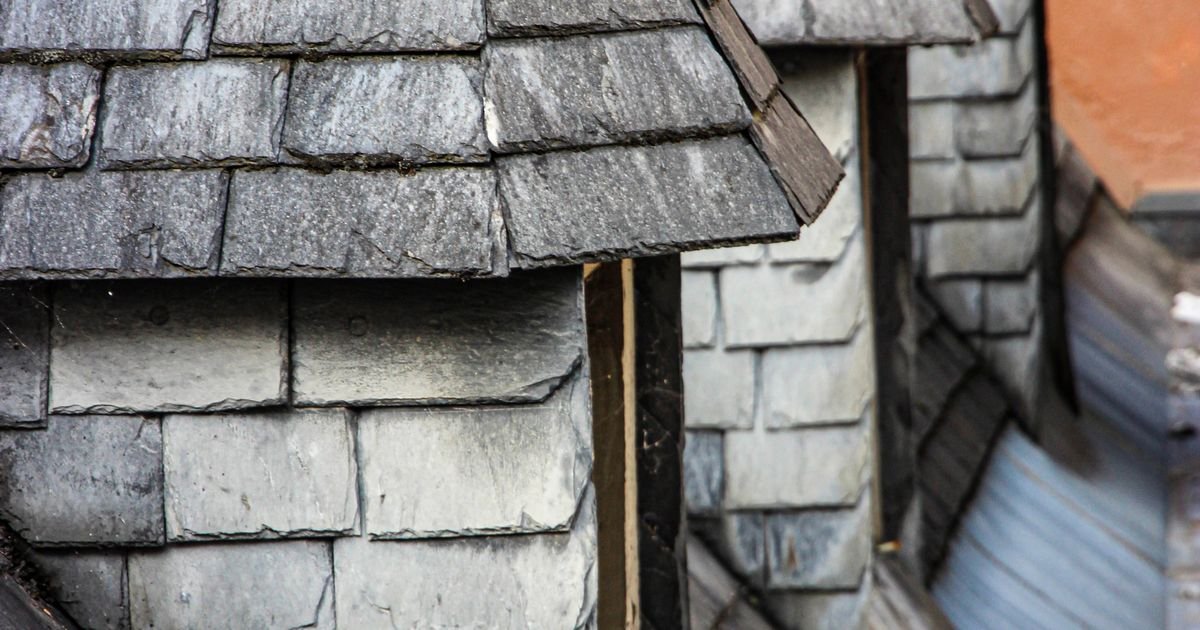
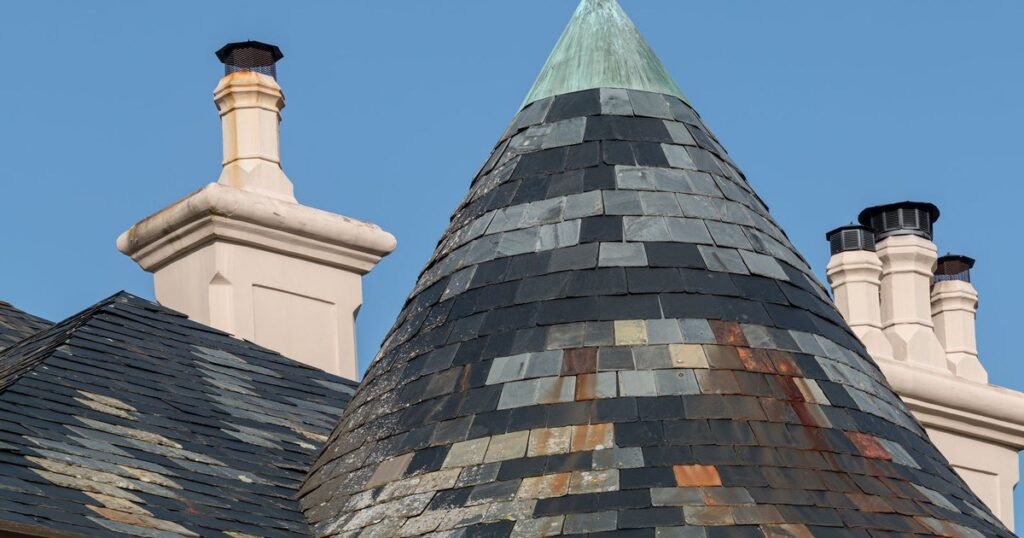
Synthetic shingles, also called composite shingles, are roofing tiles engineered from polymers, recycled plastics, rubber, and mineral fillers. Manufacturers mold the material into profiles that copy natural slate, cedar shake, and even barrel tile, then color each tile with blended earth tones so the roof reads as natural stone or wood from the street.
Unlike a standard asphalt roof, which is a fiberglass mat coated in asphalt and granules, a synthetic tile is a solid molded piece. That difference drives most of the performance story: no granule loss, no rotting, no splitting, and far better impact resistance.
Two looks dominate the market:
- Synthetic slate: flat, textured tiles that copy quarried slate, usually in multi width patterns for a natural coursed look.
- Synthetic shake: thicker, rough edged tiles that copy hand split cedar shake, with deep shadow lines and varied widths.
A third category, synthetic architectural shingles such as F Wave, copies the look of a standard dimensional asphalt shingle rather than slate or shake. These sit closer to asphalt pricing and are a different buy from the premium slate and shake products this guide focuses on.
Synthetic Shingles Cost in 2026
Pricing varies a lot by product line, region, and roof complexity, so treat every figure below as a range, not a quote. The sources behind these ranges are contractor reported prices and cost guides published in 2025 and 2026.
| Product | Installed Cost per Square Foot |
|---|---|
| Composite shingles, general | $7 to $13 |
| Synthetic slate | $9 to $12 |
| Premium synthetic slate and shake (DaVinci and similar) | $14 to $20 |
| Architectural asphalt, for comparison | $4 to $8 |
| Natural slate, for comparison | $10 to $30 |
| Natural cedar shake, for comparison | $25 to $30 |
For a typical 2,000 square foot roof, that means roughly $14,000 to $40,000 installed for synthetic slate or shake, versus roughly $8,000 to $16,000 for architectural asphalt. The gap is real, but so is the lifespan difference, which changes the math over time.
What moves the price:
- Product line: premium lines with thicker tiles and wider color ranges cost more than entry level composite shingles.
- Roof complexity: steep pitches, valleys, hips, dormers, and skylights all add labor.
- Tear off: removing an old roof adds cost, and some synthetic systems require specific underlayment.
- Installer experience: synthetic tiles install differently from asphalt, and certified installers charge more than crews learning on your roof.
- Region: labor rates vary widely between markets, so a quote in Texas will not match a quote in Minnesota.
Always get at least three itemized quotes, and make sure each one names the exact product line. "Synthetic shingles" alone could mean a $7 per square foot composite or a $20 per square foot premium tile.
Top Synthetic Shingle Brands
DaVinci Roofscapes is the name you will hear most. The company has made polymer slate and shake since 1999, using virgin resins with UV and thermal stabilizers plus a fire retardant. DaVinci tiles carry a lifetime limited material warranty on homes, with a 10 year non prorated period against manufacturing defects, a Class 4 impact rating, a Class A fire rating with standard underlayment, and wind resistance to 110 mph. At roughly 1.25 pounds per square foot, DaVinci slate is a fraction of the 8 to 10 pounds per square foot of natural slate, so most homes need no structural reinforcement.
Brava Roof Tile is another leading maker, offering synthetic slate, shake, and barrel tile profiles, including options made with recycled content. Brava is a common choice for historic style homes and for coastal properties where salt air punishes natural materials.
EcoStar and F Wave round out the field. EcoStar focuses on synthetic slate and shake made from recycled rubber and plastics, while F Wave makes a synthetic shingle that mimics architectural asphalt at a lower price point than the premium slate and shake lines.
Brand matters less than the specific product's ratings. Compare impact rating, fire rating, wind rating, and warranty terms line by line before you compare prices, because two tiles that look identical can carry very different specs.
Pros and Cons of Synthetic Shingles
Pros:
- Premium look without premium weight. You get the slate or shake appearance at a fraction of the weight, so most homes skip structural reinforcement.
- Long lifespan. Expect 40 to 50 years with proper installation, roughly double the service life of architectural asphalt.
- Class 4 impact resistance. The highest impact rating a roofing material can earn, which matters in hail country and may qualify you for an insurance discount. Check with your insurer before you count on savings.
- Very low maintenance. No rotting, splitting, curling, or insect damage, and no yearly treatments the way cedar shake demands.
- Fire and weather resistance. Class A fire ratings and 110 mph wind ratings are standard on leading lines.
- Lighter environmental footprint over time. A roof replaced half as often sends half as much material to landfill, and DaVinci tiles are fully recyclable through the maker's take back program.
Cons:
- High upfront cost. At $14 to $20 per square foot installed for premium lines, synthetic shingles cost two to three times what architectural asphalt costs.
- Shorter track record. Natural slate has centuries of history. Synthetic tiles have decades, so the 50 year claims rest on lab testing and accelerated aging, not on roofs that have actually stood for 50 years.
- Fewer experienced installers. Poor installation is the fastest way to ruin a premium roof, and not every crew has synthetic experience.
- Look up close. From the street, good synthetic slate is convincing. Up close, some products show a uniform finish that natural stone does not have.
- Fading and finish risk. Cheaper composite products can fade or develop a sheen after years of sun exposure. Stick to established brands with strong warranties.
Synthetic Shingles vs Asphalt Shingles
This is the comparison most buyers actually face, because asphalt is the default alternative.
| Factor | Synthetic Shingles | Architectural Asphalt |
|---|---|---|
| Installed cost per square foot | $7 to $20 | $4 to $8 |
| Lifespan | 40 to 50 years | 25 to 30 years |
| Impact rating | Class 4 on leading lines | Class 3 or 4 depending on line |
| Weight | Light, similar to asphalt | Light |
| Maintenance | Very low | Low to moderate |
| Appearance | Slate or shake replica | Dimensional shingle look |
| Installer availability | Limited | Everywhere |
The value case for synthetic shingles rests on lifespan. If you plan to stay in the home for decades, one synthetic roof can outlast two asphalt roofs, which closes much of the price gap. If you plan to move within 10 years, asphalt usually wins on cost, since you will not be around to collect the long term payoff. Our guide to roofing shingles prices breaks down what asphalt lines actually cost today.
Synthetic Shingles vs Natural Slate and Cedar
Against the materials they imitate, synthetic shingles win on weight, cost, and upkeep, and lose on authenticity and proven lifespan.
Natural slate lasts 50 to 200 years or more, far beyond any synthetic claim, but it costs $10 to $30 per square foot installed and often needs structural reinforcement at 8 to 10 pounds per square foot. Natural cedar shake costs $25 to $30 per square foot installed, needs yearly maintenance, and rots, cracks, and curls as it ages. Synthetic tiles also avoid the fire risk that makes some insurers wary of real cedar.
If your home is a historic property or you want the genuine material, natural slate and cedar still hold the top spot. If you want the look with modern performance and a lower bill, synthetic is the practical version. For the heaviest luxury asphalt alternative, see our guides to Grand Manor shingles and CertainTeed Presidential shingles, which copy slate and shake in asphalt at a lower price than synthetic.
Installation: What to Watch
Synthetic tiles install differently from asphalt. Tiles are often nailed or screwed through specific points, courses must stay aligned to keep the natural pattern, and starter and ridge pieces are product specific. A crew that installs asphalt all day cannot assume the same details apply.
Before hiring, ask:
- How many synthetic roofs have you installed, and with which brand? Look for a manufacturer certified installer where the brand offers a program.
- Does the quote name the exact product, color blend, underlayment, and accessories? Vague quotes hide substitutions.
- What warranty do you offer on labor, separate from the material warranty? The material warranty means little if installation errors are excluded.
- Can you show photos of finished synthetic jobs? Look at valleys, ridges, and transitions, not just wide shots.
The National Roofing Contractors Association is a good starting point for vetting any roofer's credentials, and the manufacturer's warranty page is worth reading before you sign. DaVinci's warranty terms show the lifetime limited coverage and the 10 year non prorated period in detail.
Who Should Buy Synthetic Shingles
Synthetic shingles make the most sense if several of these fit:
- You plan to stay in the home for 20 years or more.
- You want a slate or shake look but your roof structure cannot carry natural slate.
- You live in hail or high wind country and want Class 4 impact protection.
- You are replacing a cedar shake roof and want the look without the yearly upkeep.
- Your neighborhood or historic district expects a premium roof profile.
Skip them, or at least delay, if you plan to move soon, your budget is tight, or no experienced synthetic installer serves your area. In those cases a quality architectural asphalt roof, installed well, is the smarter spend. If storm damage is forcing the decision, our roof repair guide explains when a repair makes sense and when replacement is the better call, and a local residential roofing contractor can confirm whether your structure suits a heavier premium product.
Frequently Asked Questions
What are synthetic shingles made of? Most are molded from polymer resins, sometimes blended with recycled plastics, rubber, and mineral fillers, plus UV stabilizers and fire retardants. DaVinci uses virgin resin rather than recycled material, arguing that consistent raw material is what allows a 50 year service life.
How long do synthetic shingles last? Leading lines are engineered for 40 to 50 years with proper installation. DaVinci backs its slate and shake with a lifetime limited material warranty on homes. Real world proof is still building, since the category is only a few decades old.
How much do synthetic shingles cost? Expect $7 to $20 per square foot installed depending on the product line, with premium slate and shake at $14 to $20. A 2,000 square foot roof runs roughly $14,000 to $40,000. Prices vary by region and roof complexity.
Are synthetic shingles better than asphalt shingles? They last longer, resist impact better, and look more premium, but they cost two to three times more upfront. For a long term home, synthetic often wins on lifetime value. For a short term home or a tight budget, asphalt wins on cost.
Do synthetic shingles look fake? From the street, quality products are convincing, especially multi width slate and hand split shake profiles with blended colors. Up close, some cheaper products look uniform. Ask to see installed examples before you choose a color blend.
Can synthetic shingles be installed on any roof? Most homes can carry them, since they weigh far less than natural slate. Very low slope roofs are a different story, and every product has a minimum pitch in its installation guide, so confirm your roof qualifies before ordering.
Do synthetic shingles qualify for insurance discounts? Class 4 impact rated products may qualify for hail damage discounts in many states, but every insurer sets its own rules. Get the discount confirmed in writing before you buy.
Do synthetic shingles fade? Established brands use UV stabilizers to resist fading, and warranties often cover excessive color change. Cheaper composite products are more likely to fade or develop a sheen over time, which is one more reason to buy a proven line.
Comparing materials for a new roof? Read our 3 tab shingles vs architectural comparison and our asphalt vs architectural shingles guide, or get a local quote for shingle roof installation from our team.